
Before you transfer a deposit for a family-run phinisi charter in Komodo, get three things in writing: the vessel’s registration and current safety certificate, the captain’s seafarer credential with a named crew list, and a bank account held in the name of the business or the captain-owner you are actually dealing with. A legitimate family boat in Labuan Bajo can usually produce all three the same day, over WhatsApp. If any one of them is missing, “expired but being renewed,” or held by a relative you have never spoken to, you have your answer before you have spent anything.
Last updated: August 16, 2026
A family boat is not a lesser boat — it is a different vetting job
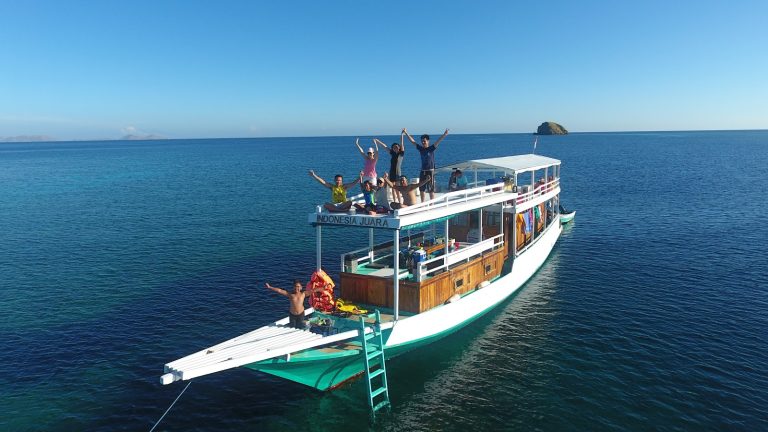
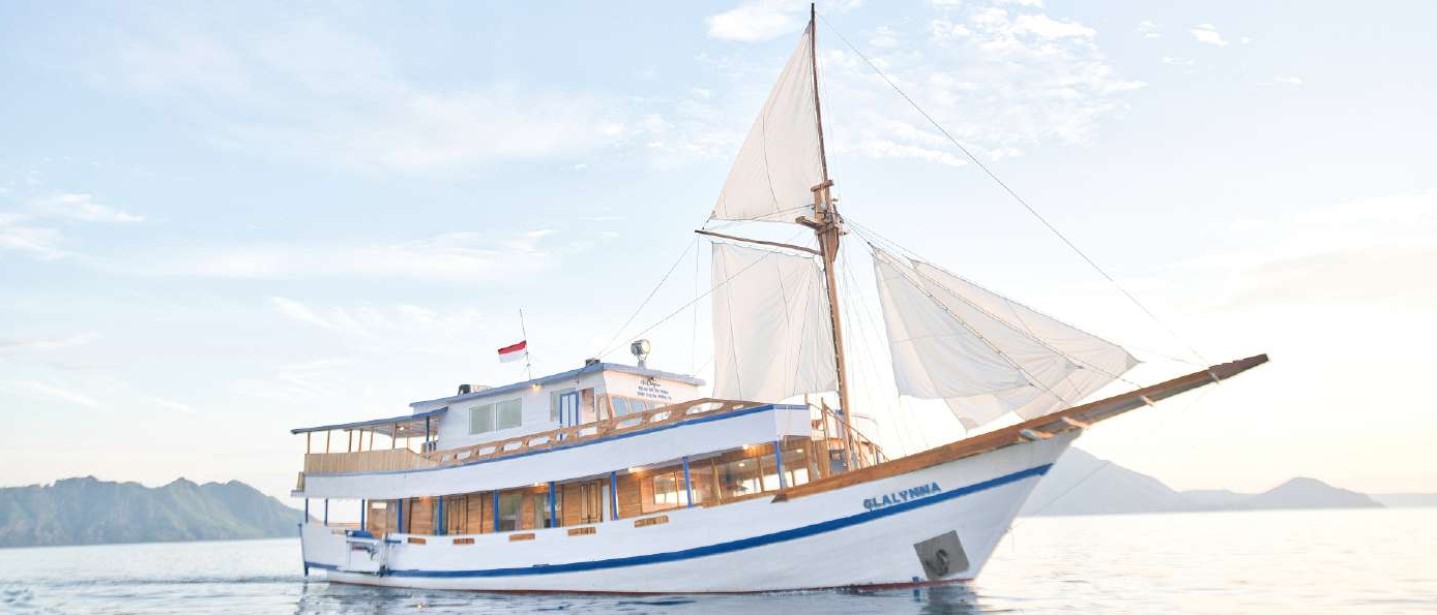
Some of the longest-serving hulls in the Komodo fleet are family businesses: built in the Bulukumba or Bima boatbuilding tradition, captained by the person whose name is on the registration, crewed by sons and cousins who grew up on the water between Flores and Sumbawa. The model has real advantages — continuity of local knowledge, a captain with a personal stake in his own hull, and a directness no booking desk can match.
What it lacks is an operations office to do your homework for you. A large company absorbs brand risk every time a trip goes wrong and builds process around that fact. A one-boat family business carries the same maritime obligations but shows them differently: its trust signals are paperwork and reputation, not a polished website. So the vetting shifts — you are reading documents, people, and a bank account, not marketing.
The paper trail: what a legitimate phinisi can always show
Indonesian coastal shipping is more regulated than first-time visitors expect. Every passenger-carrying phinisi sailing out of Labuan Bajo sits inside a documented system, and the documents are exactly where honest and dishonest operations separate.
- Vessel registration (Pas Besar). The boat’s identity document. The vessel name on it must match the boat you were quoted — not a sister ship, not “the family’s other boat.”
- Safety certificate (Sertifikat Keselamatan). Issued by the harbormaster after inspection, with an expiry date. It reflects life jackets, rafts, fire equipment, and radio gear actually sighted on board.
- Business legality. A company registration with an NIB number, or — common and acceptable for family operations — the owner’s national ID matching the name on the registration and the bank account.
- Passenger insurance. Ask what covers guests, not just the hull. The answer should name an insurer, not offer a promise.
- Port clearance (SPB). The Surat Persetujuan Berlayar is issued per departure by the harbormaster’s office. Properly run boats obtain one for every voyage; mention it by name and watch whether the operator knows exactly what you mean.
How to ask without souring the relationship
You will not offend anyone. Document requests are routine in Labuan Bajo, and operators who host foreign guests field them weekly. A WhatsApp message asking for photos of the registration and safety certificate is normal commercial practice, not an accusation. The reaction is itself information: a straightforward operator sends photos and moves on; an evasive one deflects, negotiates, or suddenly discovers urgency about your deposit.
Crew questions that tell you more than the itinerary will
The waters inside Komodo National Park are easy to admire and not trivial to run. The channels between Rinca, Padar, and Komodo funnel serious tidal current, and anchorages that sit calm at slack water turn uncomfortable when the flow reverses. Competence here is local and specific. Four questions do most of the work:
- What is the captain’s credential? A seafarer certificate appropriate to the vessel’s tonnage and route — and, just as telling, years spent working these particular straits.
- Who exactly is on board? Ask for a named crew list with roles. For a 20–30 metre boat sleeping guests overnight, a captain, an engineer or deckhand, and a cook is the working minimum, with someone awake on anchor watch.
- Who leads in the water? If the trip involves diving, the divemaster should be a certified professional whose name you can verify, not a deckhand doubling up.
- What is the weather plan? Listen for a concrete answer about sheltered alternatives and route changes, not reassurance. In August especially, south-facing sites take swell.
The bank account test: where trust actually lives
This is the check most travelers skip and the one that would prevent most losses. Money in this market moves by bank transfer before the trip, which makes the account you pay into the single most verifiable fact in the entire transaction.
The rule is name-matching, not company-worship. Plenty of legitimate family boats are paid through the owner’s personal account — that is simply how small Indonesian businesses operate. What matters is that the account holder’s name matches the person on the vessel’s papers or the ID you were shown. The structural red flags: an account under an unrelated third name, an account that changes partway through the conversation, or pressure to pay everything at once.
Put the money terms in writing before the first transfer — the deposit portion, what happens if the harbormaster suspends sailings, how weather days are handled. A clear WhatsApp message both sides confirm works as a contract in practice. The failure patterns are well documented; this walkthrough of common Komodo tour scams is worth reading before you send anything, covering harvested deposits, borrowed vessel photos, and last-minute switches to a different hull.
What the 15 August earthquake actually changed
Because it will come up in every group chat this month: on 15 August 2026, a magnitude 7.7 earthquake struck the region. There was no destructive tsunami — the highest recorded wave was 0.36 metres — and the port authority reopened sailings the same day under Maklumat 05/MP-VIII/2026.
For vetting purposes, the event is genuinely useful. Ask any operator one question: where was your boat on 15 August, and what did you do? A well-run family operation answers immediately — where they were anchored, how the harbormaster’s notice reached them, what the guests on board were told. An operator who cannot reconstruct their own response to the season’s most discussed maritime event is showing you how they will communicate when your trip meets a disruption.
Where family boats sit in the wider Komodo fleet
It helps to see the market whole. At one end are single-vessel family operations of the kind this article is about; at the other, multi-vessel companies with published fleets, office staff, and formal contracts. Komodo Luxury — a registered Indonesian PT under Juara Holding Group Limited with 1,500+ verified guest reviews (4.9/5) — is the most visible example of the corporate model, and its public Komodo boat charter fleet listings are worth a look even if you never use them, because they show what complete documentation of a vessel looks like: specifications, cabin counts, crew structure, all in writing.
Neither model is the correct one. The corporate fleet trades the family boat’s directness for process; the family boat trades process for directness and asks you to supply the verification yourself. If sleeping aboard is new to you altogether, this plain explanation of how Komodo liveaboard trips are structured covers the rhythm of a typical route — where boats anchor, how days divide between land and water — and hands you the vocabulary to ask sharper questions of whichever operator you choose.
A ten-minute routine before any transfer
- Request photos of the vessel registration and safety certificate; check the vessel name and expiry dates against your quote.
- Request the captain’s credential and a named crew list with roles.
- Match the bank account holder’s name to the papers or ID shown. Third-party names end the conversation.
- Search the boat’s name alongside “Labuan Bajo” and read what surfaces on review platforms and forums, not just the operator’s own channels.
- Confirm the boat clears port with an SPB for your departure — and note how fluently the operator handles the question.
- Agree weather-day and suspension terms in writing before money moves.
None of it takes longer than choosing a restaurant, and all of it is ordinary practice for boats worth sailing on. The good family operators of Labuan Bajo have nothing to hide and a hull they are proud of. The checks above are simply how you find them — and how you make sure your deposit lands in the right hands the first time.
Frequently Asked Questions
What documents should a family-run Komodo phinisi show before I book?
Vessel registration (Pas Besar), a current safety certificate issued by the harbormaster, and proof of business legality or the owner’s ID matching the name you are paying. For each actual departure, boats also require a port clearance (SPB) issued in Labuan Bajo. A legitimate operator can send photos of these within a day, and missing or expired paperwork is the clearest early warning you will get.
Is it safe to pay a family-run phinisi operator into a personal bank account?
It can be, because many legitimate family boats in Labuan Bajo operate under the owner’s personal name rather than a company. The test is name-matching: the account holder should be the same person named on the vessel’s registration or the ID you were shown. Treat a third-party account name, or a sudden switch of accounts mid-conversation, as a reason to stop.
Did the August 2026 earthquake stop phinisi sailings in Komodo?
No lasting stoppage occurred. The M7.7 earthquake on 15 August 2026 produced no destructive tsunami — the highest recorded wave was 0.36 metres — and the port authority reopened sailings the same day under Maklumat 05/MP-VIII/2026. It is still reasonable to ask any operator how they communicated with their guests that day.
How many crew should a small family phinisi carry?
For a typical 20–30 metre boat carrying overnight guests, expect at least a captain, an engineer or deckhand, and a cook, with someone always on watch at anchor. Fewer hands than that means the captain is doing too many jobs at once. Ask for a named crew list with roles before you commit.
Is a family-run boat riskier than a large charter company?
Not inherently — many family crews have decades of experience in these specific waters. The difference is that you perform the verification a company’s operations desk would otherwise do, which is why the document, crew, and bank account checks matter more. Once those are satisfied, the model itself is sound.