
Batu Bolong is a renowned dive site in Central Komodo, known for its lively marine life and excellent visibility. This guide provides comprehensive insights into this diving pinnacle, ensuring you have all the necessary information for a memorable underwater experience in 2027.
Introduction to Batu Bolong
Batu Bolong, located Komodo National Park, is a small rock island brimming with aquatic life. The site is often referred to as an “Aquarium” due to its dense population of fish and corals. Divers are treated to striking views of hard and soft corals, which harbor marine species. The site’s location within the Coral Triangle ensures that it benefits from nutrient-rich currents, which support this biodiversity.
The site’s topography is characterized by steep walls and a pinnacle that rises from a depth of 70 meters to just a few meters below the surface. This structure creates an ideal habitat for both pelagic and reef species. Visibility at Batu Bolong is consistently excellent, typically exceeding 20 meters, allowing divers to fully appreciate the lively underwater scenery. This spot remains a diver’s favorite due to its diverse attractions, from the lively colors of the corals to the exciting prospect of sighting large pelagics.
Diving Conditions and Seasons
Komodo National Park experiences two primary seasons: the dry season and the wet season. The dry season, from May to October, is the optimal time for diving due to calm seas and clear water, making it the preferred period for visiting Batu Bolong. During these months, divers can expect visibility to be at its peak, with stable conditions perfect for exploring the site’s rich ecosystems.
The wet season, from November to April, brings more challenging conditions, including stronger currents and reduced visibility. However, Batu Bolong remains accessible year-round due to its central location, sheltered from the rough seas that affect northern sites. Water temperatures range from 27-29°C, providing comfortable conditions for divers, although a 3mm wetsuit is recommended for extended dives. Even during the wet season, divers can experience unique marine life behaviors, offering different photographic opportunities.
Marine Life at Batu Bolong
The marine life at Batu Bolong is both abundant and diverse. The site is home to large schools of brightly colored reef fish such as anthias, fusiliers, and snappers. Divers often encounter larger pelagic species including reef sharks, tuna, and trevallies patrolling the deeper waters, while the rocky outcrops and coral gardens support a variety of smaller species like nudibranchs and crustaceans.
One of the most captivating aspects of diving at Batu Bolong is the chance to observe the intricate dynamics of the reef ecosystem. The cleaning stations scattered across the site attract species like cleaner wrasses, which maintain symbiotic relationships with larger fish. These stations provide fascinating opportunities for underwater photography and close observation of marine interactions. The presence of occasional manta rays passing by adds to the allure, offering divers thrilling encounters with these grand creatures.
Dive Planning and Safety Tips
When planning a dive at Batu Bolong, it is crucial to consider the site’s challenging currents, which can be strong and unpredictable. Experienced dive guides are essential for navigating these waters safely. It is recommended to dive during slack tide when the currents are weakest, offering the safest and most enjoyable experience.
Divers should also be mindful of the site’s protected status within Komodo National Park, adhering to all regulations aimed at preserving its natural beauty. Avoid touching or disturbing marine life and refrain from collecting any souvenirs. Following these guidelines helps ensure that Batu Bolong remains a lively dive site for future generations. It is also advisable to have dive insurance that covers emergency evacuations, given the remote nature of the dive site.
Liveaboard Options for Visiting Batu Bolong
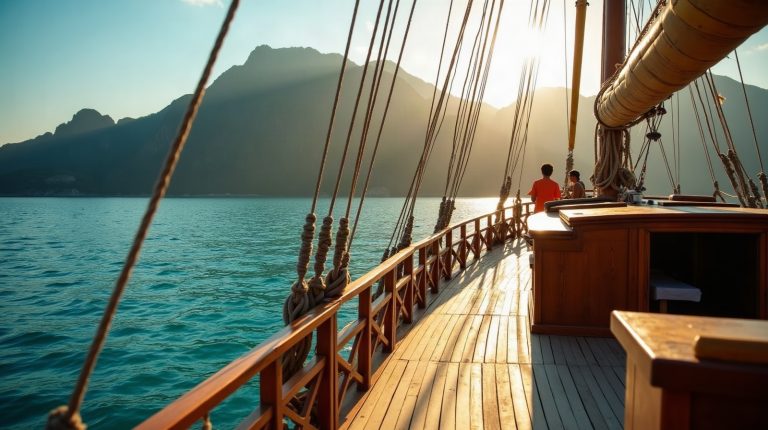
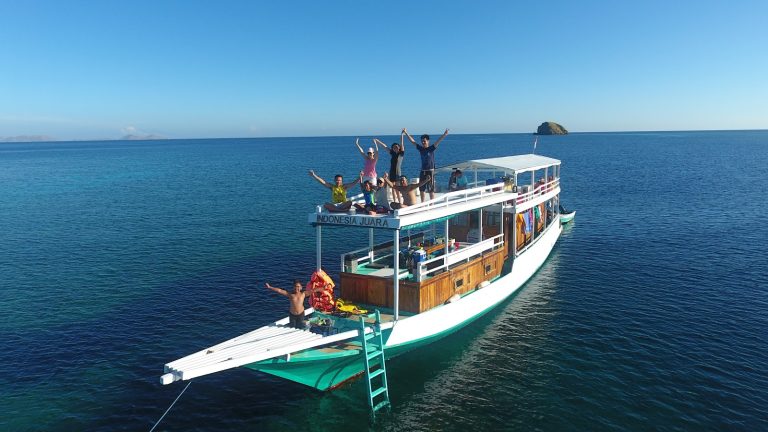
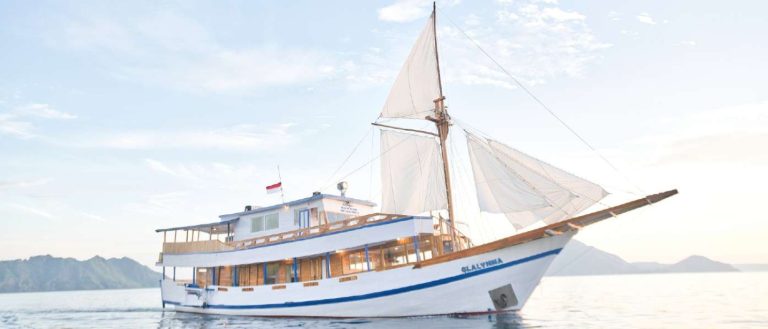
Liveaboard trips offer the most convenient and comprehensive way to explore Batu Bolong and other dive sites in Komodo National Park. These trips depart from Labuan Bajo and vary in duration, from short 3D2N or 4D3N mini-cruises focusing on Central Komodo, to longer 6D5N or 7–8 day expeditions covering North, Central, and South Komodo.
Pricing for liveaboard experiences varies based on the level of luxury offered. Budget-friendly wooden boats cost between USD 150-250 per night, while mid-range phinisi vessels range from USD 250-400 per night, providing a balance of comfort and value. For those seeking a more opulent experience, luxury phinisi or boutique yachts are available at USD 450-900+ per night. These prices reflect the demand and quality of experiences available at Komodo National Park. Booking in advance is advisable, especially during the peak dry season, to secure the best rates and accommodations.
Travel Logistics and Considerations
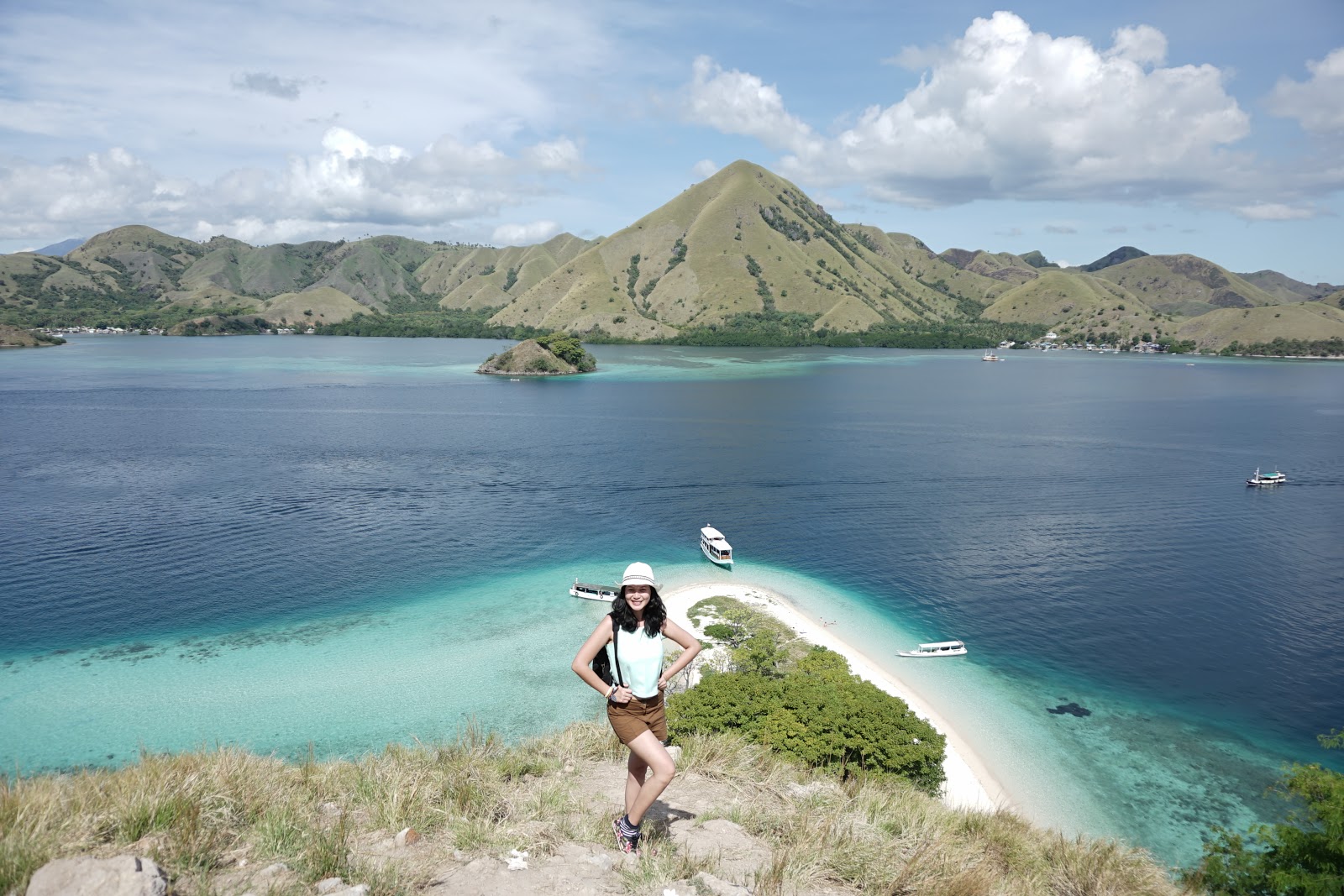
Accessing Batu Bolong typically involves flying into Labuan Bajo, the access point to Komodo National Park. From there, divers board their selected liveaboard for the journey to the dive sites. It’s advisable to book flights and accommodations well in advance, particularly during the peak dry season when demand is highest.
Travelers should also consider the environmental impact of their visit. Supporting eco-friendly operators and participating in conservation efforts, such as beach clean-ups, can enhance your experience and contribute positively to the region’s preservation. Being mindful of your ecological footprint ensures the sustainability of these precious ecosystems. Additionally, exploring local cultural experiences in Flores can enrich your journey, offering a deeper understanding of the region’s heritage.
Exploring Other Dive Sites in Komodo National Park
Beyond Batu Bolong, Komodo National Park boasts a wealth of notable dive sites spread across its three distinct zones. In the North, Castle Rock and Crystal Rock offer thrilling drift dives with impressive views of schooling fish and occasional predator encounters. Shotgun, also known as The Cauldron, between Gili Lawa Laut and Darat, is another highlight, famed for its fast currents and exhilarating ride through the channel.
The Central zone, aside from Batu Bolong, includes Tatawa Besar, known for its gentle drift dives and lively coral gardens teeming with marine life. Siaba and Karang Makassar, also known as Manta Point, offer divers the best chance to encounter the mesmerizing reef mantas. During the rainy season, these sites become hotspots for manta sightings, providing memorable diving experiences.
In the South, Manta Alley and Cannibal Rock present unique diving adventures in cooler waters, where nutrient-rich upwellings attract diverse marine species. These sites are particularly popular among macro photographers, thanks to the abundance of exotic critters and lively corals. Divers exploring these southern regions are advised to wear thicker wetsuits to counter the cooler temperatures and to be prepared for the more challenging conditions.
FAQs
Q? What is the best time of year to dive at Batu Bolong? A: The best time to dive at Batu Bolong is during the dry season from May to October, when conditions are calm and visibility is optimal. However, the site remains accessible year-round due to its central location in Komodo National Park.
Q? What type of wetsuit is recommended for diving in Komodo? A: A 3mm wetsuit is generally sufficient for diving in Central and Northern Komodo, where water temperatures range from 27-29°C. For Southern sites like Manta Alley, a 5mm wetsuit is recommended due to cooler temperatures and stronger thermoclines.
Q? Are liveaboard trips suitable for beginner divers? A: While liveaboard trips can accommodate divers of varying experience levels, it is recommended that beginners seek guidance from experienced dive instructors and choose itineraries that match their skill level. Batu Bolong’s currents can be challenging, so proper preparation and guidance are key to a safe and enjoyable experience.
For wider arrangements, our partner labuanbajoluxury can coordinate end to end.