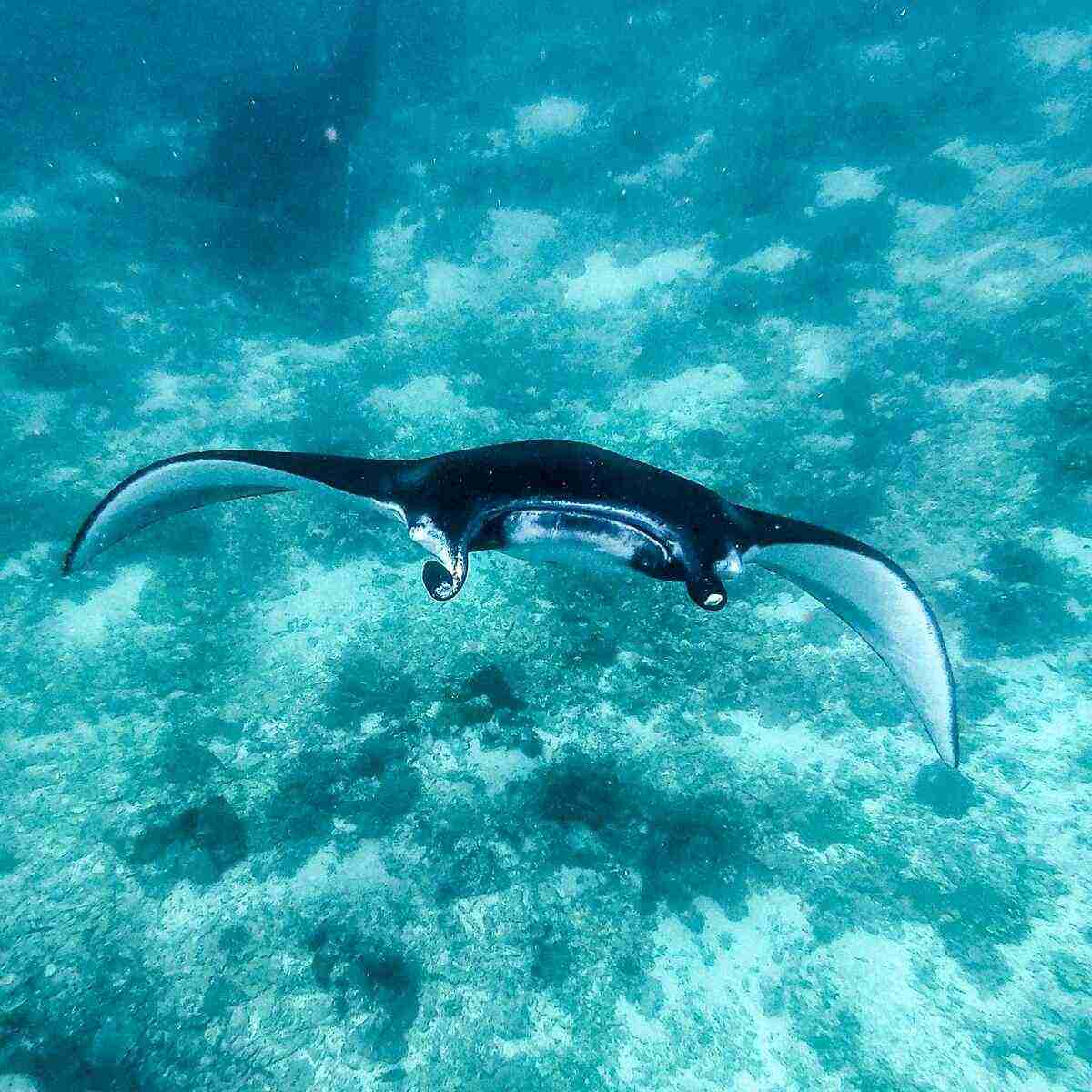

Experience the thrill of swimming with manta rays at Manta Point Komodo (Karang Makassar) in 2027. This dive site Komodo National Park offers peak manta encounters during the rainy season from December to March, with year-round access to the striking marine biodiversity of the region.
Location & Geography of Manta Point Komodo
Manta Point, also known as Karang Makassar, is a renowned dive site located within Komodo National Park, off the coast of Labuan Bajo, Flores. This area is part of the Central Komodo dive zone, which remains accessible regardless of the season. The park itself is situated within the Coral Triangle, a region celebrated for its exceptional marine biodiversity.
The site consists of a long reef with sandy bottoms and occasional coral mounds frequented by grand reef mantas (Mobula alfredi). The nutrient-rich waters of the park make it an ideal habitat for these gentle giants, providing them with ample feeding and cleaning opportunities. Beyond mantas, the park’s unique positioning within the Coral Triangle highlights its ecological significance, offering habitats for over 600 species of coral and thousands of fish species.
Labuan Bajo, the access point to Komodo, has grown into a busy hub for tourists and divers alike. This once-sleepy fishing village now offers a range of accommodations, from budget hostels to luxury resorts, and serves as a starting point for various expeditions into the park.
Best Time to Visit Manta Point
Although Manta Point is accessible year-round, the optimal time to witness peak manta activity is during the rainy season. From December to March, manta ray populations are at their densest, thanks to the nutrient-rich upwellings that attract these fascinating creatures in large numbers. In addition to mantas, this period witnesses an increase in plankton blooms, which create a lively underwater environment teeming with life.
The dry season, from May to October, offers calmer seas and clearer visibility, making it ideal for exploring the northern pinnacles of Komodo. However, even during the wet season, Central sites like Manta Point maintain good dive conditions, ensuring memorable encounters with marine life. This dual-season advantage means that divers can plan their trips based on preferred conditions and wildlife encounters without missing out on key experiences.
During the peak manta season, liveaboard operators frequently run special itineraries focused on maximizing manta ray interactions, often including multiple visits to Manta Point and nearby sites like Mawan.
Diving Conditions and Marine Life
Diving at Manta Point offers the opportunity to observe reef mantas in their natural habitat. The site is characterized by moderate currents, which bring nutrients that support a rich ecosystem. Divers can expect water temperatures around 27–29°C, providing comfortable conditions for exploration. The site’s sandy channels and coral outcroppings serve as feeding grounds for the mantas, where they glide gracefully through the water.
The marine life here is diverse, with frequent sightings of reef sharks, turtles, and a plethora of fish species. The presence of cleaning stations attracts mantas to the area, allowing divers to witness their graceful movements up close. Additionally, the site is frequented by lively nudibranchs and unique species like the bumphead parrotfish, making each dive a unique experience.
For photographers, Manta Point offers exceptional opportunities to capture dramatic images of marine life against the backdrop of the reef and open ocean. The interplay of light and water in this clear environment enhances underwater visibility, perfect for both amateur and professional photographers.
Liveaboard Options for Exploring Komodo
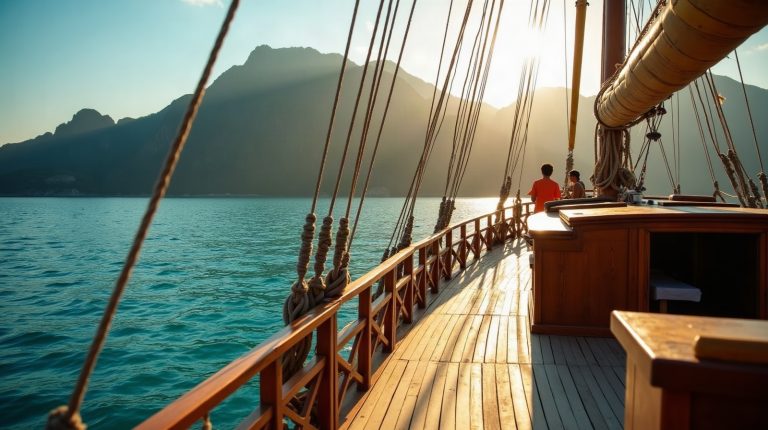
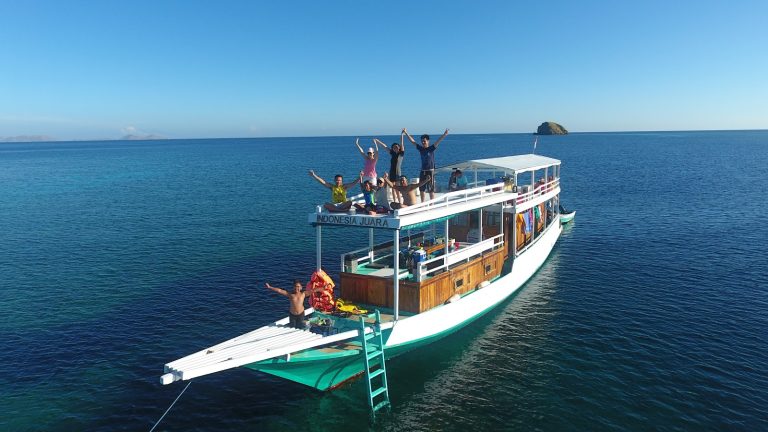
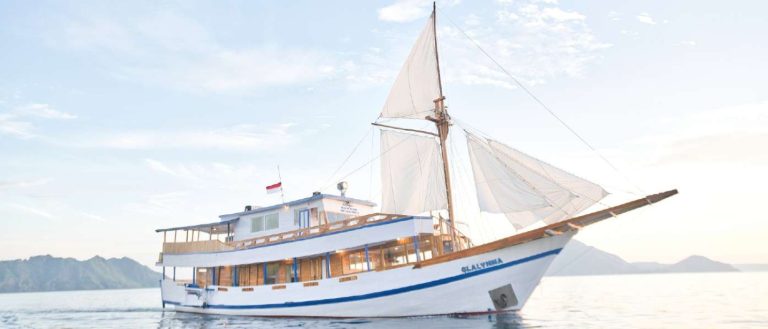
Liveaboards departing from Labuan Bajo offer an excellent way to explore the diverse dive sites of Komodo National Park. Standard itineraries range from 3D2N and 4D3N mini-cruises to 6D5N full-park trips, covering Central Komodo and beyond. Extended 7–8 day safaris provide comprehensive access to all three dive zones, with multiple opportunities to visit Manta Point.
Pricing for liveaboards varies, with budget wooden boats ranging from USD 150–250 per night, mid-range phinisi from USD 250–400, and luxury options starting at USD 450 and reaching upward of USD 900 per night. A 4D3N mid-range cruise typically costs between USD 750–1,200, offering a balance of comfort and immersive diving experiences.
The liveaboard experience often includes other activities beyond diving, such as hiking tours to see the famous Komodo dragons on Rinca Island and relaxing on the striking Pink Beach. These additional excursions provide a well-rounded adventure, showcasing the full diversity of Komodo National Park.
Preparing for Your Dive Adventure
When planning a dive trip to Manta Point, consider the appropriate gear for the season. A 5mm wetsuit is advisable, particularly for southern itineraries where water temperatures can drop to 22–25°C due to thermoclines. Visibility at Central sites like Manta Point often exceeds 20 meters, providing excellent conditions for underwater photography and observation.
Ensure that your dive certification is up to date, as many liveaboards require advanced open water certification due to the moderate currents and depth of some sites. Booking in advance is recommended, especially during peak manta season, to secure your spot on a liveaboard that meets your needs and budget.
In addition to dive gear, pack essentials like reef-safe sunscreen, a hat, and sunglasses to protect yourself from the tropical sun when above water. Cameras and underwater housing are also must-haves for capturing the awe-inspiring underwater scenes.
Conservation and Sustainable Tourism
Komodo National Park is a UNESCO World Heritage site, emphasizing the importance of conservation and sustainable tourism practices. Efforts to protect the marine ecosystem are crucial for the continued health of manta populations and the lively biodiversity of the region.
Visitors are encouraged to engage in responsible diving practices, such as maintaining a respectful distance from marine life, avoiding contact with the reef, and adhering to guidelines set by tour operators. By prioritizing sustainability, tourists can contribute to the preservation of this unique marine environment for future generations.
Many liveaboard operators are committed to sustainable practices, offering eco-friendly amenities and contributing to local conservation efforts. Choosing operators that prioritize environmental sustainability helps ensure that Komodo’s underwater treasures are preserved.
Local Culture and Community Involvement
Exploring Komodo National Park is not only an adventure into marine wonders but also an opportunity to engage with the rich cultural notable of the region. The local communities in and around Labuan Bajo are heavily involved in the tourism industry, providing services from guiding to crafting handmade souvenirs.
Visitors are encouraged to participate in community-led tours and workshops to gain insights into the traditional lifestyles and practices of the indigenous people. Purchasing locally made goods supports these communities economically, ensuring that tourism benefits are shared widely.
Cultural events and festivals often align with tourist seasons, offering lively displays of music, dance, and traditional cuisine. Engaging in these cultural experiences enhances the overall travel experience, providing a deeper understanding of the region’s heritage.
FAQs
Q? When is the best time to see mantas at Manta Point Komodo? The best time to see mantas at Manta Point is during the rainy season, from December to March. This period sees the highest concentration of manta rays due to nutrient-rich upwellings.
Q? What is the typical water temperature at Manta Point? The water temperature at Manta Point typically ranges from 27–29°C, providing comfortable diving conditions. However, southern sites may experience cooler temperatures due to thermoclines.
Q? How much does a liveaboard trip to Komodo cost? Liveaboard trips to Komodo vary in price. Budget options range from USD 150–250 per night, mid-range from USD 250–400, and luxury trips start at USD 450 per night. A 4D3N mid-range trip typically costs between USD 750–1,200.
For wider arrangements, our partner labuanbajoluxury can coordinate end to end.
See also: Batu Bolong Dive Site Guide 2027: The ‘Aquarium’ Pinnacle of Central Komodo, Shotgun & The Cauldron 2027: Riding Komodo’s Fastest Drift Dive · Home.