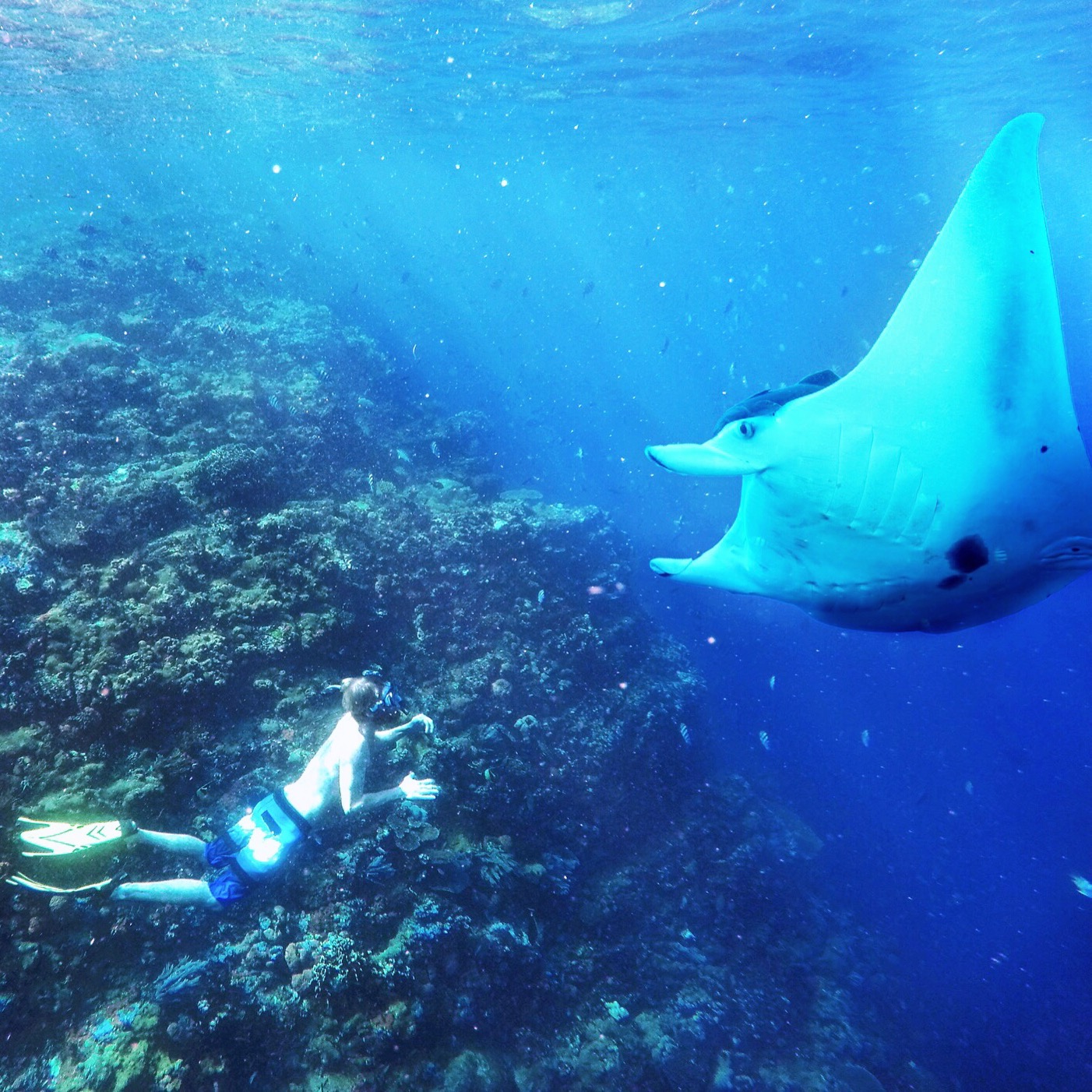

Diving in Komodo National Park offers a chance to swim alongside magnificent manta rays, particularly during peak seasons. With distinct areas each offering unique experiences, divers can explore reef mantas at Karang Makassar or seek oceanic encounters. The dry season from May to October provides overall optimal conditions, while December to March guarantees high manta activity.
Exploring Komodo National Park’s Diverse Diving Zones
Komodo National Park is a renowned diving destination within the Coral Triangle, accessible via Labuan Bajo on Flores Island. The park is segmented into three main diving zones: North, Central, and South Komodo. Each zone offers distinct underwater landscapes and marine biodiversity, catering to divers of all interests.
The Northern zone includes sites such as Castle Rock, Crystal Rock, and The Cauldron, which are best explored during the dry season due to calmer seas and excellent visibility. Here, divers are treated to striking topographies with lively corals, and an abundance of marine life including sharks and schools of trevally. During this period, visibility can reach over 20 meters, enhancing the diving experience significantly.
Central Komodo, featuring Batu Bolong and Tatawa Besar, remains accessible year-round, providing a reliable option no matter the season. These sites are known for their rich coral gardens and diverse aquatic life, with encounters ranging from turtles to groupers and even occasional manta rays. The currents here are generally mild, making it suitable for divers of varying experience levels. Meanwhile, the South, known for Manta Alley and Cannibal Rock, requires preparation for cooler waters and nutrient-rich conditions. The nutrient upwellings in the southern sites enrich the marine ecosystem, making it a haven for macro photographers aiming to capture rare critters like ornate ghost pipefish and frogfish.
Prime Manta Ray Encounters: Reef vs. Oceanic
Reef manta rays (Mobula alfredi) are the primary species found in Komodo National Park, particularly at Karang Makassar, also known as Manta Point. These graceful creatures frequent cleaning stations and feeding grounds, offering divers a chance to observe their behavior up close. Manta rays are most abundant from December to March, when nutrient-rich upwellings support plankton blooms.
Oceanic encounters are less common but possible in deeper waters during specific times. In these areas, divers may have the chance to see the larger oceanic mantas, which can span up to 7 meters. The varied topography of Komodo provides an ideal setting for both types of manta rays, with Central sites like Siaba and Mawan offering frequent sightings. These central sites are easily accessible and provide consistent manta ray interactions, delighting both novice and seasoned divers. Divers seeking oceanic mantas may venture farther offshore, albeit with fewer guarantees of encounters compared to reef environments.
Choosing the Best Time to Dive with Mantas
The dry season from May to October is generally recommended for diving in Komodo, providing calm seas and visibility exceeding 20 meters in many areas. This season is particularly favorable for exploring the Northern dive sites, where the conditions allow for safe and enjoyable diving experiences surrounded by a plethora of colorful marine life.
Conversely, the wet season from November to April presents more challenging conditions, especially in the North. However, it coincides with peak manta ray activity, particularly between December and March. During these months, manta rays gather in large numbers at sites like Mawan and Karang Makassar, providing memorable encounters. Central dive sites remain reliable year-round, making them a consistent option for manta ray enthusiasts regardless of season. Despite the rain, the thrill of diving with numerous mantas in these months attracts divers willing to brave the elements for the experience.
Liveaboard Diving Options and Pricing
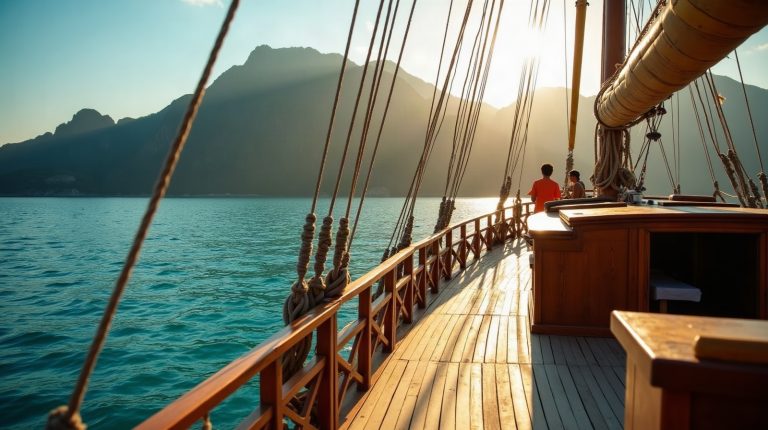
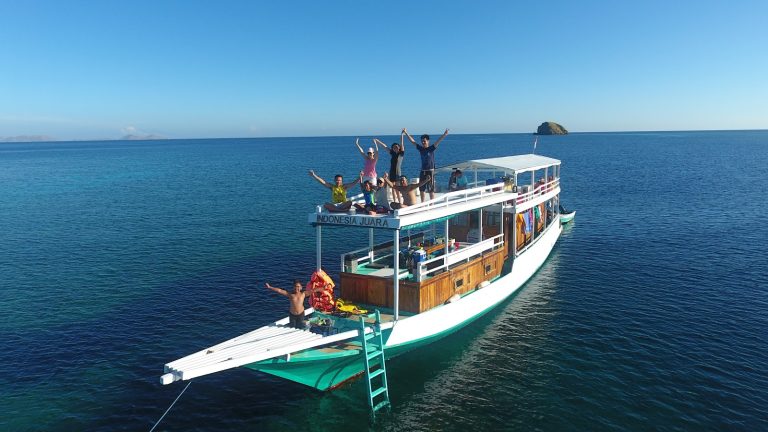
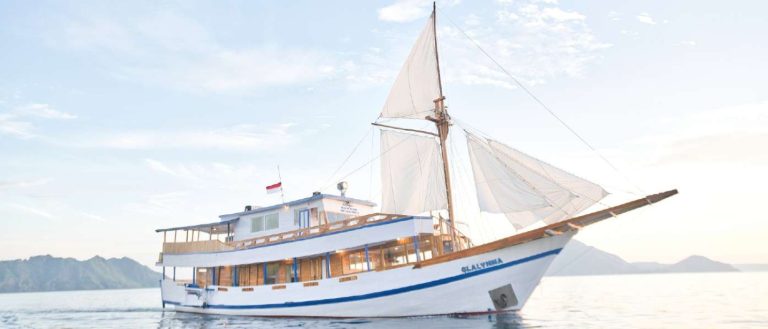
Liveaboard trips departing from Labuan Bajo offer a range of itineraries to suit different preferences and budgets. Common durations include 3D2N and 4D3N mini-cruises, which focus on Central Komodo’s highlights and nearby attractions like Padar and Pink Beach. These shorter trips are ideal for divers looking for a quick escape while still experiencing the region’s beauty. Longer 6D5N trips encompass the full park, including both North and South zones, while 7–8 day safaris provide extended exploration with multiple manta ray diving opportunities. These longer trips are perfect for avid divers seeking comprehensive exposure to Komodo’s underwater wonders.
Pricing in 2026–2027 varies based on the type of vessel and amenities. Budget options on wooden boats range from USD 150–250 per night, offering basic comfort and essential services. Mid-range phinisi, priced from USD 250–400, provide enhanced amenities and a more comfortable setting. Luxury yachts, from USD 450–900+ per night, offer top-tier service and luxurious surroundings. A 4D3N mid-range package might cost USD 750–1,200, providing a balanced experience between comfort and cost, while a full luxury safari could reach USD 3,150–7,200, making it essential to select a trip aligning with both interests and financial considerations. Investing in a liveaboard trip can ensure a more immersive experience, allowing divers to wake up near notable dive sites each day.
Preparing for Dive Conditions and Equipment Needs
Water temperatures in Komodo vary significantly between zones. Central and Northern areas maintain comfortable temperatures between 27–29°C, making a 3mm wetsuit generally sufficient. However, the South experiences cooler conditions of 22–25°C due to strong thermoclines and nutrient-rich upwellings. Divers planning to visit sites like Manta Alley and Cannibal Rock should consider wearing a 5mm wetsuit to stay warm during dives. The dramatic differences in temperature and underwater currents necessitate careful planning to ensure an enjoyable diving experience.
Understanding these environmental factors is crucial for divers to maximize comfort and safety. The dynamic conditions of Komodo call for adaptable equipment choices and an appreciation for the park’s lively, yet challenging underwater world. Proper preparation, including the selection of appropriate gear and familiarity with local diving practices, can greatly enhance the experience and safety of divers in this unique marine environment.
Sustainable Diving Practices and Conservation Efforts
Komodo National Park is not only a marvel for divers but also a crucial area for marine conservation. Sustainable diving practices are essential to maintaining the health of these ecosystems. Divers are encouraged to follow responsible diving guidelines, such as maintaining buoyancy control to avoid damaging corals and refraining from touching or disturbing marine life.
Many liveaboard operators in the region actively participate in conservation efforts, supporting initiatives like reef clean-ups and manta ray research programs. By choosing operators who prioritize sustainability, divers contribute to the ongoing protection of Komodo’s marine biodiversity. In addition to preserving the environment, these efforts also enhance the long-term viability of diving tourism in the park, ensuring that future generations can enjoy the same lively underwater landscapes.
Maximizing Your Komodo Diving Experience
To optimize manta ray encounters, divers should plan trips during the peak season for manta activity, ensuring they include key sites like Karang Makassar and Mawan in their itinerary. Selecting the right liveaboard based on preferred comfort levels and dive locations will enhance the overall experience, allowing for smooth transitions between dive sites and maximizing time underwater.
Additionally, engaging with knowledgeable guides familiar with Komodo’s unique marine environment can significantly enrich the diving experience. These experts offer insights into the behavior and ecology of mantas and other marine species, providing educational value alongside the thrill of diving. Thorough preparation and strategic planning are pivotal in securing memorable dives in this exceptional region, making each dive both an adventure and a learning opportunity.
FAQs
Q? What is the best time of year to see manta rays in Komodo National Park? A. The peak season for manta ray sightings is from December to March during the wet season, when nutrient upwellings increase plankton availability, attracting mantas in large numbers.
Q? How much does a liveaboard trip in Komodo cost? A. Liveaboard trips vary in cost, with budget options starting at USD 150 per night and luxury experiences exceeding USD 900 per night. A typical 4D3N trip might range from USD 750 to 1,200 in mid-range accommodations.
Q? What dive sites in Komodo are best for manta ray encounters? A. Karang Makassar, also known as Manta Point, is renowned for frequent manta ray sightings. Mawan in Central Komodo and Manta Alley in the South are also excellent sites for encountering these grand creatures.
For wider arrangements, our partner labuanbajoluxury can coordinate end to end.
See also: Shotgun & The Cauldron 2027: Riding Komodo’s Fastest Drift Dive, Manta Point Komodo (Karang Makassar) 2027: When & Where to Swim with Mantas · Home.