
In 2027, divers venturing into Komodo National Park will encounter a variety of fees that reflect the park’s commitment to conservation and sustainable tourism. These fees, essential for maintaining the park’s unique ecosystems, vary based on zones and activities, ensuring that visitors contribute directly to preserving this underwater notable.
Understanding Komodo National Park Zones
Komodo National Park, located off the coast of Labuan Bajo on the island of Flores, is part of the Coral Triangle, renowned for its marine biodiversity. The park is divided into three primary diving zones: North, Central, and South. Each offers a unique diving experience defined by distinct underwater topographies and marine life.
The Northern Zone, featuring dive sites like Castle Rock, Crystal Rock, and The Cauldron, is known for its lively coral gardens and pelagic species. Castle Rock offers divers the chance to witness schools of jacks and barracudas, while Crystal Rock is famous for its clear waters and sightings of reef sharks. The Cauldron’s thrilling currents create a natural drift dive between Gili Lawa Laut and Darat, making it a favorite among experienced divers. The Central Zone, with popular sites such as Batu Bolong and Karang Makassar, offers year-round diving with stable conditions. At Batu Bolong, divers can marvel at the lively coral formations and diverse marine life, including Napoleon wrasse and turtles. Karang Makassar, also known as Manta Point, is a hotspot for manta rays, especially during the manta season. The Southern Zone, including Manta Alley and Cannibal Rock, is famous for its nutrient-rich waters supporting diverse marine life but requires thicker wetsuits due to cooler temperatures. Manta Alley is particularly renowned during the Southern diving season for manta congregations, while Cannibal Rock offers encounters with rare species like pygmy seahorses and frogfish.
Diving Seasons and Conditions
The best time for liveaboard diving in Komodo National Park is during the dry season, from May to October, when seas are generally calm and visibility exceeds 20 meters. The Northern pinnacles are most diveable during this period, providing excellent opportunities for encounters with large schools of fish and sharks. Divers visiting during these months can expect optimal conditions, making it ideal for underwater photography and extensive exploration of the park’s northern sites.
Conversely, the wet season, from November to April, brings rougher seas, particularly in the North. However, this is the peak time for manta ray sightings, especially between December and March at Karang Makassar and Mawan. During this season, divers can witness the awe-inspiring spectacle of manta rays gliding gracefully through the nutrient-rich waters, feeding and cleaning at cleaning stations. Central sites like Batu Bolong remain accessible throughout the year, offering a reliable diving experience regardless of the season. The consistent conditions of the Central Zone provide divers with the opportunity to explore lively coral gardens and encounter diverse marine life even during the less predictable wet season.
Liveaboard Options and Costs
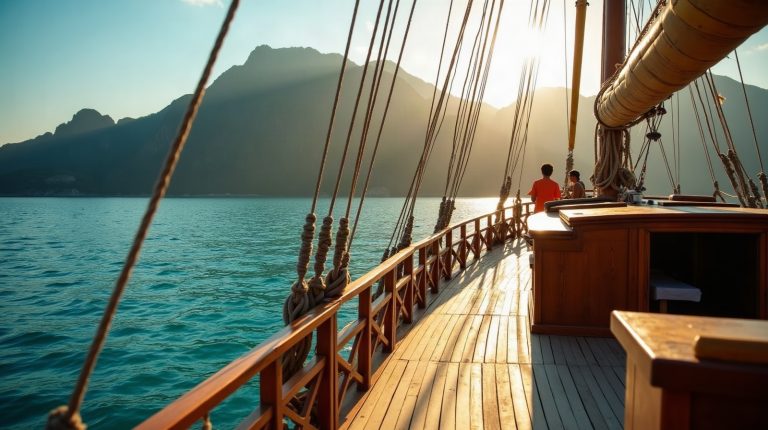
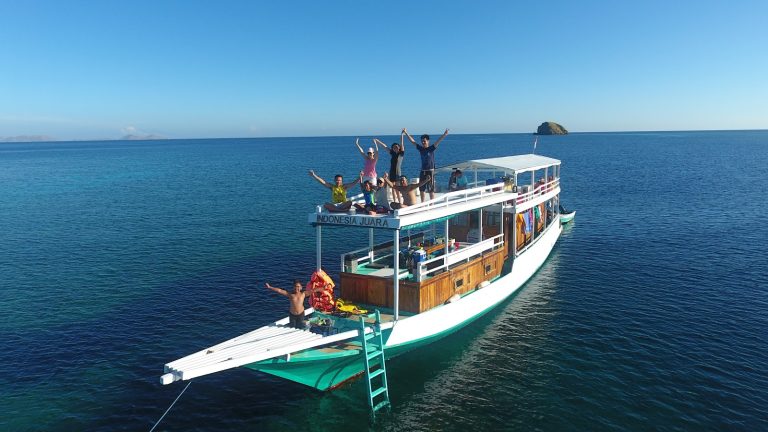
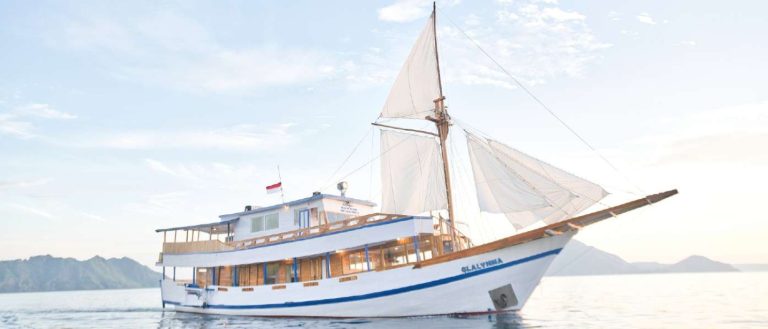
In 2026–2027, liveaboard trips from Labuan Bajo will range from short 3D2N mini-cruises to extensive 7–8 day safaris. Mini-cruises generally focus on Central Komodo, with options to visit Padar and Rinca Island’s dragons. Padar Island, famous for its panoramic views and pink beaches, offers a picturesque stop on these shorter journeys. Full-park trips of 6D5N include the Northern pinnacles and, seasonally, the Southern sites. These itineraries provide a comprehensive diving adventure, allowing divers to experience the diverse marine environments and rich biodiversity Komodo has to offer.
Pricing varies widely based on the type of vessel. Budget trips on wooden boats cost between USD 150 and 250 per night, providing an affordable option for those seeking to explore Komodo’s underwater treasures without breaking the bank. Mid-range phinisi cruises range from USD 250 to 400 per night, offering a balance of comfort and affordability, ideal for divers who want a touch of luxury without overspending. Luxury yachts charge USD 450 to 900+ per night, catering to those looking for a high-end experience with personalized service and amenities. A mid-range 4D3N trip costs around USD 750 to 1,200, providing an excellent value for divers seeking a comprehensive Komodo experience. In contrast, luxury extended safaris can reach USD 3,150 to 7,200 or more, offering an exceptional diving adventure with the utmost in comfort and service.
Fees and Conservation Efforts
Divers contribute to Komodo National Park’s conservation through a series of fees. These include entrance fees, diving permits, and additional charges for night dives or special activities. As of 2027, these fees are projected to be around USD 10–20 per day, directly funding park management and conservation projects. The funds collected from these fees are crucial in maintaining the park’s infrastructure and ensuring the protection of its unique marine habitats.
These fees are crucial in supporting sustainable practices within the park. They help maintain the delicate balance of the marine ecosystems, ensuring that divers can continue to enjoy the rich biodiversity of Komodo’s waters, including its famous reef manta rays, which are a major attraction at sites like Karang Makassar. Conservation efforts funded by these fees include initiatives like coral reef restoration, monitoring of fish populations, and protection of critical habitats, contributing to the overall health and resilience of the park’s ecosystems.
Recommended Gear for Divers
Proper gear is essential for a comfortable and safe diving experience in Komodo National Park. Water temperatures in the Central and Northern regions hover around 27–29°C, making a 3mm wetsuit suitable for most dives. This thickness provides adequate thermal protection for the majority of dive sites, ensuring divers remain comfortable during their underwater explorations. However, the Southern sites, such as Manta Alley, are cooler, with temperatures dropping to 22–25°C, necessitating a 5mm wetsuit for adequate protection against the chill.
The presence of strong currents and thermoclines, especially in the South, further underscores the need for adequate thermal protection and buoyancy control. Divers should also consider reef-safe sunscreen to protect the park’s corals from harmful chemicals, aligning with conservation efforts. Using reef-safe sunscreen is a simple yet effective way divers can contribute to the protection of the delicate coral ecosystems, helping to preserve Komodo’s underwater beauty for future generations.
Planning Your Komodo Diving Adventure
To maximize your Komodo diving experience, consider the season, dive sites, and liveaboard options that best fit your preferences and budget. Booking during the dry season ensures optimal diving conditions, particularly important for those eager to explore the Northern pinnacles. Divers should also take into account the type of marine life they wish to encounter, as seasonality can significantly impact the presence of certain species, such as manta rays and whale sharks.
Whether you opt for a budget-friendly mini-cruise or an opulent luxury safari, understanding the park’s layout and fees will enhance your trip. Stay informed about local regulations and contribute to conservation efforts to ensure that Komodo National Park remains a lively dive destination for future generations. By respecting park guidelines and supporting sustainable tourism practices, divers can play an active role in preserving the natural wonders of Komodo and ensuring the longevity of its unique marine environments.
Local Culture and Attractions
Beyond its underwater marvels, Komodo National Park and its surrounding areas offer a rich notable of local culture and attractions that divers and travelers can explore. Labuan Bajo, the access point to Komodo, is a busy town that has transformed into a lively hub for tourists. Here, visitors can enjoy a variety of dining options featuring local Indonesian and international cuisines, with meals ranging from USD 5 for a simple nasi goreng to USD 30 for a full seafood platter at waterfront restaurants.
For those interested in local culture, a visit to nearby villages on Flores Island provides insight into traditional Indonesian life. Villages such as Wae Rebo offer homestays where visitors can experience local customs, crafts, and hospitality firsthand. Additionally, the annual Komodo Festival, held in February, celebrates the region’s rich cultural heritage with traditional music, dance performances, and local crafts, offering a unique opportunity for cultural immersion.
FAQs
Q? What are the entrance fees for Komodo National Park in 2027?
A: The entrance and diving fees in 2027 are expected to be around USD 10–20 per day, supporting conservation and park management efforts.
Q? When is the best time to see manta rays in Komodo?
A: The peak manta ray season is during the wet season from December to March, with high densities at Karang Makassar and Mawan.
Q? What type of wetsuit is recommended for diving in Komodo?
A: A 3mm wetsuit is suitable for most dives, but a 5mm wetsuit is recommended for the cooler Southern sites like Manta Alley.
For wider arrangements, our partner labuanbajoluxury can coordinate end to end.
See also: Budget vs Luxury Komodo Liveaboards in 2027: What Your Money Actually Buys, How to Get from Bali to Labuan Bajo in 2027: Flights, Times & Boarding Tips · Home.