
Deciding between Komodo and Raja Ampat for a liveaboard diving trip in 2027 involves weighing factors like dive site variety, marine life, seasonal conditions, and costs. Komodo offers diverse zones and peak manta ray sightings during specific months, while Raja Ampat provides incredible biodiversity and unique experiences year-round.
Dive Site Variety and Zones
Komodo National Park, positioned within the Coral Triangle, boasts an array of dive sites split into three distinctive zones. The northern zone is renowned for sites like Castle Rock and Crystal Rock, known for their lively marine life and dynamic underwater landscapes. These sites are especially popular among divers seeking encounters with large schools of fish and occasional sightings of dolphins and sharks. The Shotgun/The Cauldron site between Gili Lawa Laut and Darat offers a thrilling drift dive experience that attracts adrenaline-seeking divers.
The central zone, featuring Batu Bolong and Tatawa Besar, offers a mix of coral gardens and drift dives accessible almost year-round. Batu Bolong, with its nutrient-rich waters, supports lively coral life and houses numerous species such as Napoleon wrasse and turtles. Tatawa Besar provides divers with a chance to glide alongside striking sloping reefs teeming with diverse marine life, making it a must-visit for photographers.
In the south, divers can explore Manta Alley and Cannibal Rock, which are known for cooler waters and nutrient-rich environments. Manta Alley, especially during the peak manta season from December to March, becomes a playground for manta rays. Cannibal Rock offers a unique macro diving experience with critters like frogfish and pygmy seahorses. The Wainilu macro site near Rinca is an additional treat for those interested in spotting rare and elusive species.
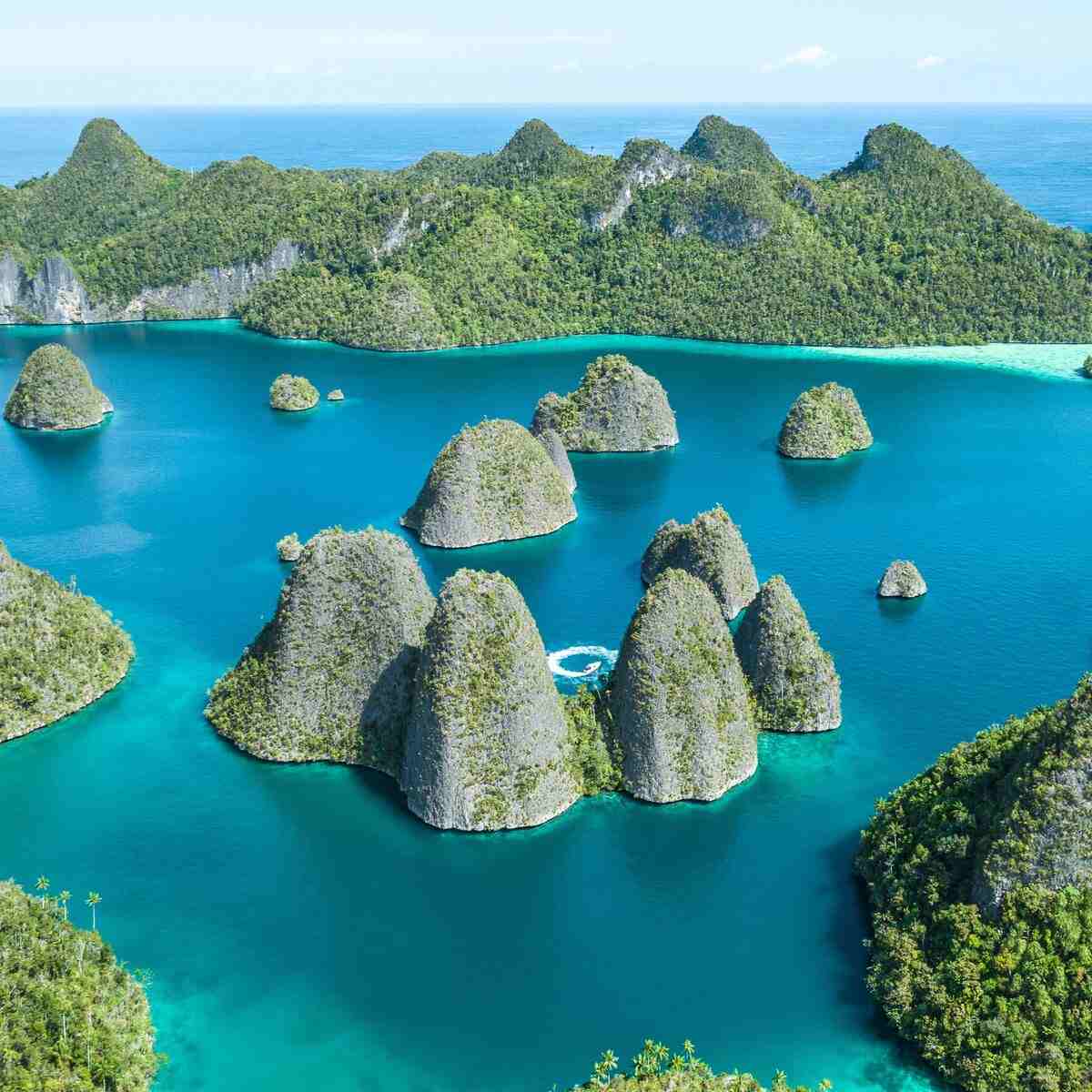
In contrast, Raja Ampat is celebrated for its extensive biodiversity across sites like Cape Kri and Blue Magic. The region is part of the Coral Triangle and is often lauded for its thriving coral reefs and abundant marine species. Raja Ampat does not have clearly defined zones like Komodo, but its islands and reefs provide a variety of diving experiences, from macro photography opportunities to encounters with larger pelagic species.
Marine Life and Biodiversity
Komodo is famous for its reef manta rays (Mobula alfredi), especially at sites such as Karang Makassar where they are seen cleaning and feeding. These iconic mantas are a major draw, with peak density observed during the rainy season, making them a key highlight for any dive trip to the area. The park’s diverse marine life includes everything from lively coral reefs to pelagic species such as sharks and barracudas. These predators are a common sight at North Komodo’s Castle and Crystal Rocks, where currents bring nutrient-rich waters that support an abundance of life.
The central zone is particularly noted for its year-round accessibility and rich marine biodiversity. Here, divers can witness a kaleidoscope of marine creatures including clownfish, moray eels, and colorful reef fish. The constant flow of nutrients and stable conditions make for a thriving ecosystem that is both lively and diverse.
Raja Ampat, on the other hand, is often referred to as the “species factory” due to its exceptional marine biodiversity. It ranks as one of the richest marine environments in the world, hosting over 1,500 species of fish and more than 500 species of coral. Sites like Cape Kri hold world records for the highest number of fish species counted on a single dive. The region offers incredible opportunities to see rare and endemic species, making it a biodiversity hotspot that attracts divers seeking unique underwater experiences. Critters such as wobbegong sharks, manta rays, and pygmy seahorses are just a few examples of the unique species found in this diver’s region.
Seasonal Diving Conditions
Komodo’s dry season, from May to October, is generally considered the best time for liveaboard trips, featuring calm seas and excellent visibility exceeding 20 meters, particularly at the northern dive sites. The dry season also allows for smooth sailing between the park’s various islands, making it a favorite time for divers who wish to explore the northern pinnacles without the disruption of rough seas. The clear waters make it easier to spot the diverse marine life that populates these dive sites.
During the wet season, from November to April, the northern seas can be rougher, but this period also brings a peak in manta ray activity at Karang Makassar and Mawan from December to March. Divers visiting during these months can expect exhilarating encounters with large groups of mantas, a spectacle that is worth braving the choppier seas. The southern sites like Manta Alley are particularly active during this period, offering divers an memorable experience with these gentle giants.
Raja Ampat has a more stable climate, allowing for year-round diving. However, the best conditions typically occur from October to April when the sea is calm and visibility is optimal. These months coincide with the region’s peak tourism season, drawing divers from around the world eager to explore its rich waters. This makes Raja Ampat a versatile destination for divers looking for consistent conditions throughout the year, with the added benefit of experiencing one of the world’s most diverse marine ecosystems.
Water Temperature and Suit Recommendations
In Komodo, water temperatures in the central and northern zones range between 27°C and 29°C. These warmer conditions are ideal for divers who prefer lighter wetsuits, often opting for 3mm suits, allowing for flexibility and comfort. However, the southern zone, with sites like Cannibal Rock, experiences cooler temperatures between 22°C and 25°C due to strong thermoclines and nutrient-rich upwellings. These conditions support the lush underwater flora and fauna but may require thicker wetsuits for extended diving comfort. For expeditions to the south, a 5mm wetsuit is recommended to ensure comfort during dives, especially for those planning multiple dives per day.
Raja Ampat generally experiences warmer waters, with temperatures ranging from 27°C to 30°C throughout the year. This allows divers to comfortably explore its diverse dive sites in lighter wetsuits, typically 3mm, although personal comfort levels can vary. The consistently warm temperatures make it an attractive option for divers who prefer minimal exposure protection and wish to spend extended periods underwater exploring the lively reefs.
Typical Liveaboard Durations and Costs
In Komodo, liveaboard trips departing from Labuan Bajo offer various itineraries. Shorter 3D2N and 4D3N cruises focus on central sites, Padar, Pink Beach, and Rinca dragons. These mini-cruises are perfect for those with limited time but still wish to experience the highlights of Komodo. A 6D5N trip encompasses the full park, adding northern pinnacles and seasonal southern excursions, allowing divers to fully engage themselves in the park’s diverse offerings.
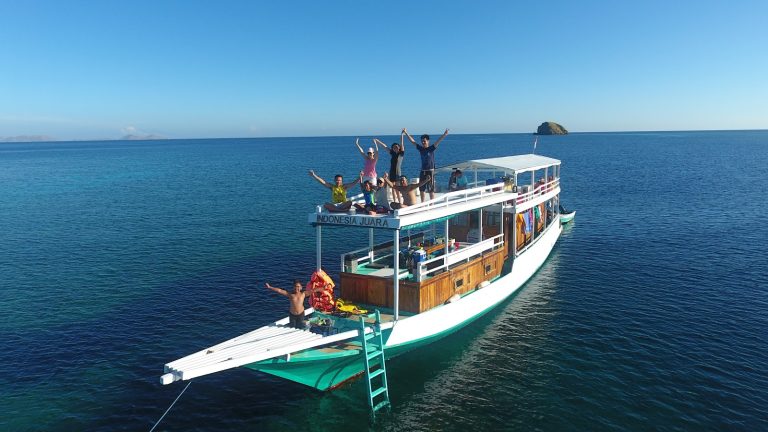
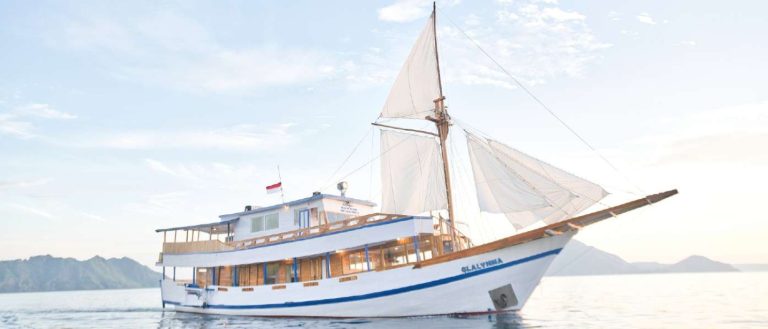
Extended 7–8 day safaris include all zones and multiple manta sightings, making them a preferred choice for avid divers wanting a comprehensive exploration of Komodo’s wonders. Budget-friendly wooden boats cost around USD 150–250 per night, providing an affordable option for divers on a budget. Mid-range phinisi, with their traditional Indonesian design, are priced at USD 250–400 per night, offering comfort and charm. Luxury yachts range from USD 450 to over USD 900 per night, catering to those seeking exclusive service and amenities.
Raja Ampat liveaboard itineraries typically last 7 to 12 days, with prices reflecting the region’s remoteness and biodiversity. The extended duration allows for more time to explore the region’s rich marine life and lesser-known spots. Budget options start around USD 200 per night, offering basic accommodations with all the necessary diving amenities. Mid-range experiences range from USD 400 to 600 per night, providing a balance between comfort and cost. Luxury cruises can exceed USD 1,000 per night, offering exclusive services and itineraries to less-visited areas, ensuring a unique and personalized diving experience.
Overall Experience and Considerations
Choosing between Komodo and Raja Ampat largely depends on personal preferences and diving goals. Komodo’s structured zones and well-defined seasons make it an excellent choice for divers aiming to explore specific marine life and dive sites, particularly those interested in manta ray encounters. The park’s accessibility from Labuan Bajo and variety of liveaboard options also make it a convenient choice for many divers.
Raja Ampat’s year-round diving conditions and unmatched biodiversity cater to those seeking a diverse and rich underwater experience. The region’s remote location and higher costs are offset by the extraordinary marine encounters it offers, making it a compelling choice for serious divers. Its reputation as a global biodiversity hotspot attracts those who are passionate about marine conservation and exploration.
Travel and Accessibility
Accessing Komodo National Park typically begins with a flight to Labuan Bajo on Flores Island, a busy access point to the park’s wonders. Direct flights are available from major Indonesian cities like Bali and Jakarta, making it a convenient destination for both domestic and international travelers. Once in Labuan Bajo, a short boat ride transports divers to the park, where liveaboards depart for various itineraries.
Raja Ampat, while more remote, is accessible via a flight to Sorong, usually with a layover in Makassar or Jakarta. From Sorong, divers start on liveaboards that traverse the archipelago, offering an immersive experience into its notable environments. The journey to Raja Ampat, though longer and potentially more costly, is often regarded as part of the adventure, rewarding travelers with exceptional diving opportunities.
Both destinations require careful planning, especially during peak seasons, but the logistics are well worth the effort for the extraordinary underwater experiences that await divers from around the globe.
FAQs
Q? What is the best time to dive in Komodo?
A: The best time to dive in Komodo is during the dry season from May to October when sea conditions are calm and visibility is optimal, especially at northern sites.
Q? How does the biodiversity in Raja Ampat compare to Komodo?
A: Raja Ampat is renowned for its exceptional biodiversity, regarded as one of the richest marine environments globally, whereas Komodo offers distinct zones with varied marine life including prominent manta ray sightings.
Q? Are liveaboard trips in Raja Ampat more expensive than in Komodo?
A: Yes, liveaboard trips in Raja Ampat tend to be more expensive due to its remote location and biodiversity, with prices often higher than those for comparable experiences in Komodo.
For wider arrangements, our partner labuanbajoluxury can coordinate end to end.