
Exploring the marine wonders of Komodo National Park in 2027 poses an enticing choice between liveaboard diving and land-based diving. Each offers distinct advantages shaped by budget, time, and desired dive experiences. This page provides an in-depth comparison to help you decide which diving adventure suits you best.
Understanding the Diving Zones of Komodo
Komodo National Park, located in the Coral Triangle off Labuan Bajo, Flores, is renowned for its rich marine biodiversity. The park is divided into three primary diving zones: North, Central, and South. Each zone offers unique underwater landscapes and marine life encounters.
In the North, divers can explore iconic sites such as Castle Rock and Crystal Rock, known for their lively coral gardens and schooling fish. These sites, like Shotgun/The Cauldron between Gili Lawa Laut and Darat, present thrilling drift dives and are best accessed during the dry season when visibility can exceed 20 meters. The Central zone includes popular sites like Batu Bolong and Karang Makassar (Manta Point), offering year-round diving with diverse aquatic species, where encounters with reef mantas (Mobula alfredi) are frequent.
The South, featuring sites like Manta Alley and Cannibal Rock, presents cooler waters and nutrient-rich upwellings, attracting manta rays and other pelagics. These southern waters are more challenging with temperatures dropping to 22–25°C, and divers can experience strong thermoclines, making a 5mm wetsuit advisable.
Liveaboard Diving in Komodo: An Overview
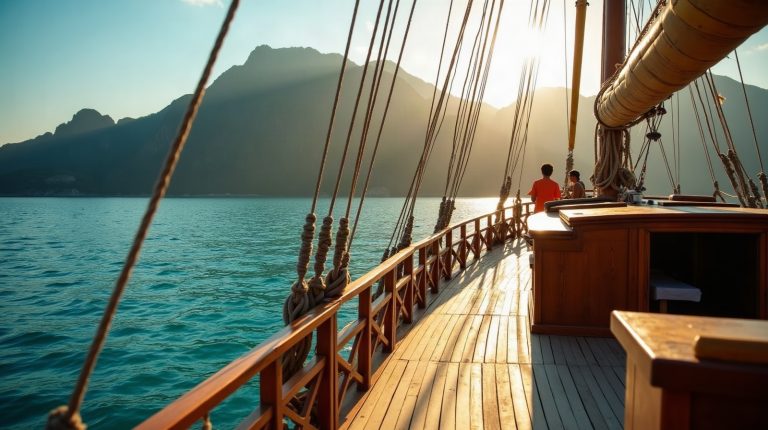
Liveaboard diving in Komodo offers an immersive experience, allowing divers to explore multiple dive sites across the park. Operators offer various itineraries, ranging from 3D2N mini-cruises to 7–8 day extended safaris, each tailored to maximize underwater exploration.
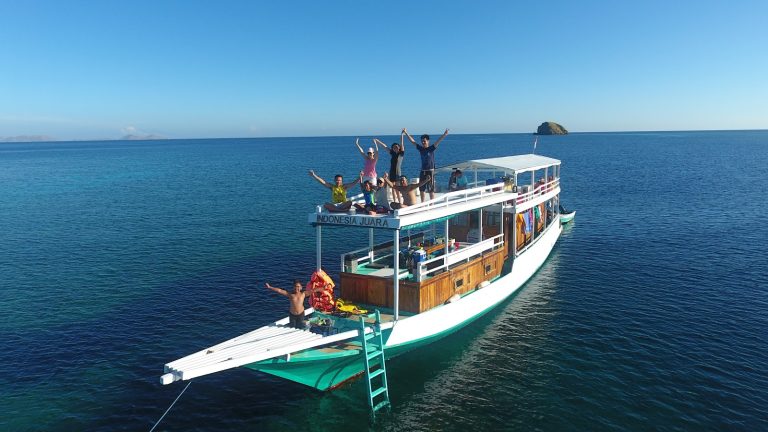
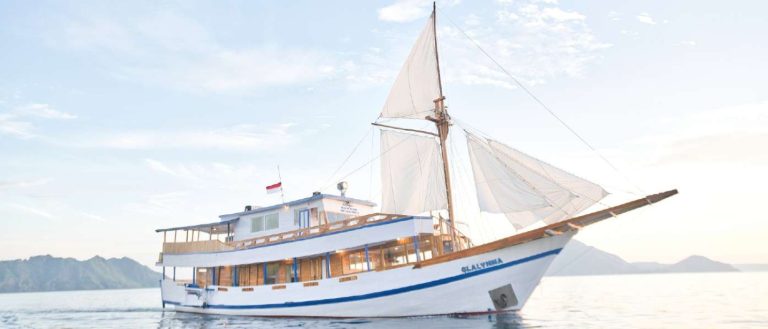
The dry season, from May to October, is ideal for liveaboard trips due to calmer seas and excellent visibility, especially in the North. During this time, divers can fully explore the North pinnacles, Central hotspots, and even some South sites, with visibility often reaching 20 meters or more. Prices for liveaboard trips vary with budget options costing USD 150–250 per night, typically on basic wooden boats, while mid-range phinisi cruises are around USD 250–400 per night. For a luxury experience aboard boutique yachts, expect to pay USD 450–900+ per night.
This setup allows divers to experience a variety of sites, including the North pinnacles, where the lively coral gardens of Castle Rock are teeming with life, to the nutrient-rich waters of the South, which are home to the grand mantas at Manta Alley.
Land-Based Diving in Komodo: What to Expect
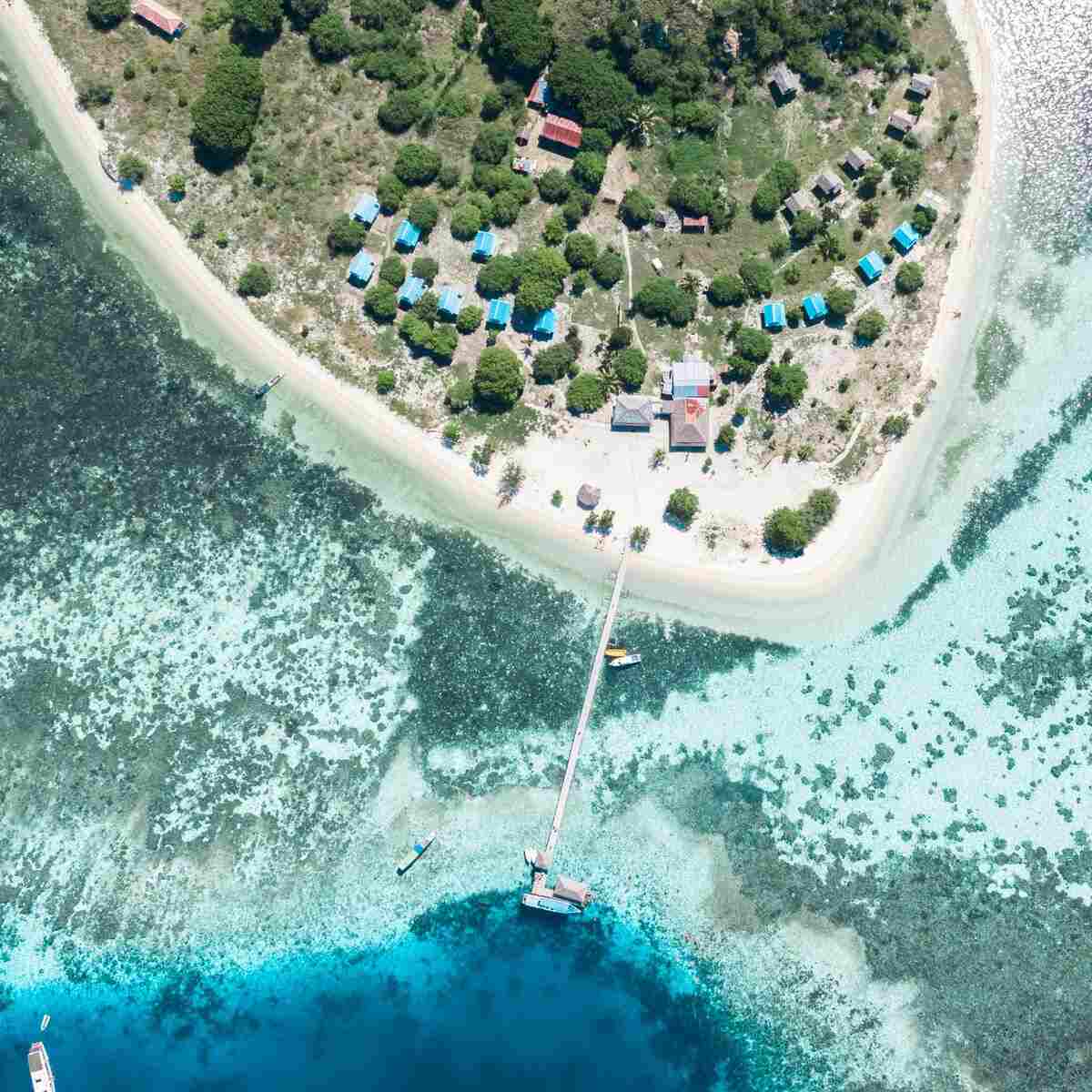
Land-based diving involves staying in accommodations in Labuan Bajo and taking daily dive excursions to the park. This option can be more budget-friendly, with the flexibility to explore the local culture and attractions around Flores. Labuan Bajo has a range of accommodations from budget hostels to mid-range hotels, allowing divers to choose according to their comfort and budget.
While land-based diving provides access to Central sites and some Southern locations throughout the year, the North sites may be harder to reach due to time constraints. However, diving from land allows divers to experience top sites like Batu Bolong and Karang Makassar with ease, often offering closer interaction with marine life, including the resident reef mantas. These daily trips typically offer a chance to dive 2-3 sites per day, making it an excellent option for those who prefer shorter, more flexible dive schedules.
Comparing Costs: Liveaboard vs Land-Based
Cost is a significant factor when choosing between liveaboard and land-based diving. Liveaboard trips, depending on the duration and level of luxury, can be more expensive but offer comprehensive access to dive sites across all zones. A mid-range 4D3N liveaboard might cost around USD 750–1,200, whereas a 7–8 day luxury safari could range from USD 3,150–7,200.
Conversely, land-based diving can be more economical, with daily dive trips costing significantly less. Accommodation options in Labuan Bajo vary from budget to mid-range, allowing for a more tailored financial experience. For example, a budget stay in Labuan Bajo might set you back USD 30–50 per night, while mid-range hotels could range from USD 70–150 per night, paired with daily dive trips costing around USD 100–150 per two-tank dive day.
Seasons and Conditions: Impact on Diving Experience
The choice between liveaboard and land-based diving is influenced by seasonal conditions. The dry season provides optimal conditions for liveaboard trips, with calm seas and good visibility enhancing the experience at Northern sites. This is the best time to dive North sites like Crystal Rock, where the visibility and sea conditions reveal a striking underwater world of lively corals and diverse marine life.
However, the wet season, from November to April, sees rougher northern seas but brings peak manta ray densities to Central sites. During these months, Central Komodo sites at Karang Makassar and Mawan offer some of the most exciting manta interactions, with mantas coming to feed and clean at the lively coral bommies. Central Komodo sites remain diveable year-round, making land-based diving a viable option regardless of the season. Water temperatures also vary, with the South experiencing cooler temperatures and strong thermoclines, requiring divers to be prepared with appropriate gear such as a 5mm wetsuit.
Choosing the Right Experience for You
Deciding between a liveaboard and land-based diving trip depends on personal preferences and priorities. Liveaboard diving is ideal for those seeking an extensive and uninterrupted diving adventure, with the ability to access remote sites and experience the park’s full spectrum of marine life. It’s especially suited for divers who want a smooth experience of diving, dining, and sleeping on board, maximizing their time underwater.
Land-based diving suits divers who prefer a more flexible schedule, a lower budget, and the opportunity to explore the charms of Labuan Bajo and Flores. This option might be more appealing for travelers who enjoy a mix of diving, land exploration, and cultural experiences, such as visiting the famous Komodo dragons on Rinca Island or relaxing on Pink Beach.
Environmental Conservation and Diving Practices
As Komodo National Park is a UNESCO World Heritage site, both liveaboard and land-based operators emphasize the importance of sustainable diving practices. Conservation efforts are crucial to preserving the park’s biodiversity, and divers are encouraged to follow responsible diving guidelines.
Many operators participate in reef conservation programs, and some even offer eco-friendly trips that include waste minimization practices and education sessions about the local marine environment. Diving in Komodo gives travelers the chance to contribute to these conservation efforts, ensuring the park remains a notable and lively habitat for generations to come.
The park’s management enforces strict policies to protect its delicate ecosystems, and divers are reminded to maintain buoyancy control, refrain from touching marine life, and avoid collecting souvenirs from the sea. Such practices are essential for the sustainability of diving tourism in this awe-inspiring part of the world.
FAQs
Q? What is the best time to dive in Komodo? The dry season from May to October offers the best overall conditions for diving in Komodo, with calm seas and excellent visibility. However, for those interested in manta ray encounters, the wet season from December to March brings peak manta densities at Central sites.
Q? How do water temperatures vary across Komodo’s diving zones? In Central and North Komodo, water temperatures range from 27–29°C, providing comfortable diving conditions. South Komodo experiences cooler waters, around 22–25°C, due to nutrient-rich upwellings, and divers should be prepared with a thicker wetsuit.
Q? Are there budget options for liveaboard diving in Komodo? Yes, there are budget liveaboard options available, costing between USD 150–250 per night. These typically include basic wooden boats that offer a more affordable way to explore Komodo’s diverse dive sites.
For wider arrangements, our partner labuanbajoluxury can coordinate end to end.
See also: Komodo vs Raja Ampat for Liveaboard Diving in 2027: Honest Comparison · Home.