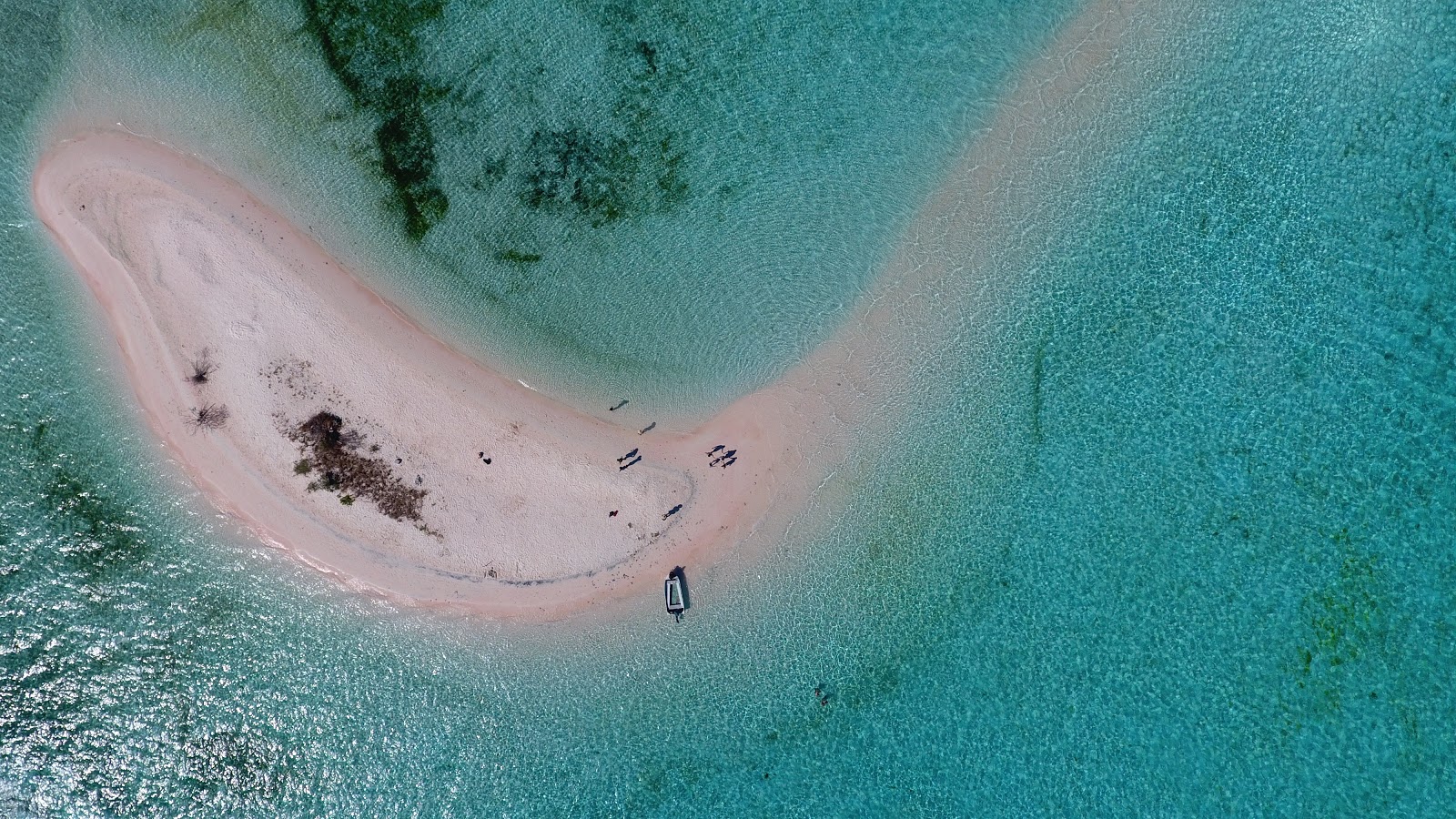

For an exceptional diving experience in 2027, choose a Komodo liveaboard trip that matches your priorities: dry season (May-October) offers calm seas and excellent visibility, while the wet season (November-April) boasts peak manta encounters. Plan your adventure around these conditions for optimal dives at Komodo National Park.
January to March: Peak Manta Season
The beginning of the year in Komodo National Park, located off Labuan Bajo, is characterized by an abundance of manta rays. From January through March, divers flock to the central sites of Karang Makassar and Mawan to witness the highest concentration of reef mantas, Mobula alfredi. This period falls within the wet season, which means the northern seas can be rougher, but the rewards of diving with these graceful creatures make it worthwhile.
During these months, the water temperatures are comfortable, ranging from 27–29°C in the central and northern regions, though the visibility might be slightly lower due to increased plankton in the water. For those who are keen to see mantas and can tolerate the occasional rain shower, this is the perfect time to visit. A 4D3N mid-range liveaboard trip during this time typically costs between USD 750 to 1,200. The sandy bottoms and cleaning stations of Karang Makassar create perfect environments for observing the mantas’ unique feeding behaviors.
April: Transition Period
April marks the transition from the rainy season to the dry season in Komodo, offering a blend of the best conditions from both worlds. Divers might still catch the tail end of the manta season at sites like Manta Point, while also enjoying improved sea conditions as the month progresses. This shoulder season can offer fewer crowds and some cost savings on liveaboard bookings.
While the northern dive sites may still experience some swell, the central sites remain consistently diveable. Travelers during April can find budget options aboard wooden boats for approximately USD 150–250 per night. As the seas calm and visibility starts to improve, April is an attractive option for those seeking a balanced experience. The iconic Pink Beach on Padar Island is especially striking during this time, providing a lively backdrop for surface intervals.
May to August: Prime Diving Conditions
The dry season from May to August is considered the prime time for diving in Komodo National Park. The seas are predominantly calm, allowing access to the northern sites like Castle Rock and Crystal Rock, where visibility can exceed 20 meters. These months are characterized by stable weather, making it an ideal time for both seasoned divers and beginners.
Water temperatures remain around 27–29°C in the north and central regions, providing comfortable diving conditions. This period is perfect for exploring the full spectrum of Komodo’s underwater offerings, from lively coral reefs to encounters with larger pelagic species. A 6D5N trip during this prime season can range from USD 1,500 to 2,400, depending on the level of luxury desired. The island of Rinca, home to the legendary Komodo dragons, is also a must-visit for land excursions on these trips.
September to October: Extended Explorations
As the dry season continues, September and October offer continued favorable conditions for diving across all three zones of Komodo National Park. This is an excellent time for those looking to start on extended safaris lasting 7 or 8 days, which allow for repeat visits to key sites and increased chances of wildlife encounters.
During these months, divers can enjoy consistent conditions across the park, with southern sites like Cannibal Rock becoming more accessible. These itineraries often include multiple manta dive days and visits to iconic land sites such as Rinca Island to see the Komodo dragons. Prices for a luxury liveaboard experience during this period can range from USD 3,150 to 7,200, offering top-notch amenities and service. The lively coral gardens and diverse marine life at Batu Bolong are particularly remarkable during this time.
November: Onset of the Rainy Season
In November, the rainy season begins to set in, bringing with it the anticipation of the upcoming manta peak. While the northern sites might experience some rougher seas, central sites remain open to diving, and early mantas start appearing at cleaning stations.
Liveaboard trips during this time might be slightly more affordable compared to the peak dry season, making it a great time for budget-conscious divers to explore Komodo. Expect to pay between USD 150–400 per night for accommodation on various boats. November offers a unique blend of diving conditions, with the promise of increased wildlife activity as the rains begin to fall. Siaba provides sheltered waters ideal for macro photography and critter spotting, even as weather patterns shift.
December: Awaiting Manta Peaks
December marks the return of the peak manta season, with increasing sightings at key dive sites like Karang Makassar and Mawan. Although the rainy season is in full swing, the central locations offer consistent opportunities to dive and witness the start of the manta aggregations.
Despite the likelihood of rain, the water temperature remains inviting at around 27–29°C, while the nutrient-rich waters continue to draw in mantas. Travelers interested in budget-friendly options can find wooden boat liveaboard experiences starting at USD 150 per night. December sets the stage for the exhilarating manta encounters that define Komodo’s reputation. The sudden influx of nutrients from upwellings enriches marine life, creating a picturesque underwater landscape.
Planning Your Komodo Adventure: Logistics and Tips
When planning a Komodo liveaboard trip, it’s important to consider several logistical factors to enhance your experience. Flights to Labuan Bajo, the access point to Komodo National Park, frequently depart from Bali and Jakarta, with prices varying seasonally. It’s advisable to book in advance during the high season from May to October to secure the best rates and availability.
Travel insurance that covers diving activities is recommended, ensuring peace of mind in case of unforeseen circumstances. Budget travelers can consider extending their trips by exploring Flores Island’s lush landscapes and unique cultural heritage, including traditional villages and striking waterfalls. Additionally, packing essentials such as reef-safe sunscreen and a rash guard will help protect the lively marine ecosystem while keeping you comfortable throughout your dives.
FAQs
Q? What is the best time to see manta rays in Komodo? A: The best time to see manta rays in Komodo is during the wet season from December to March, when manta density is at its peak at sites like Karang Makassar and Mawan.
Q? Are the northern dive sites accessible year-round? A: The northern dive sites like Castle Rock and Crystal Rock are best accessed during the dry season from May to October when sea conditions are calm and visibility is high.
Q? What type of wetsuit should I bring for diving in Komodo? A: For diving in central and northern Komodo, a 3mm wetsuit is typically sufficient. However, for the cooler waters of the south, a 5mm wetsuit is recommended due to lower temperatures and strong thermoclines.
For wider arrangements, our partner labuanbajoluxury can coordinate end to end.