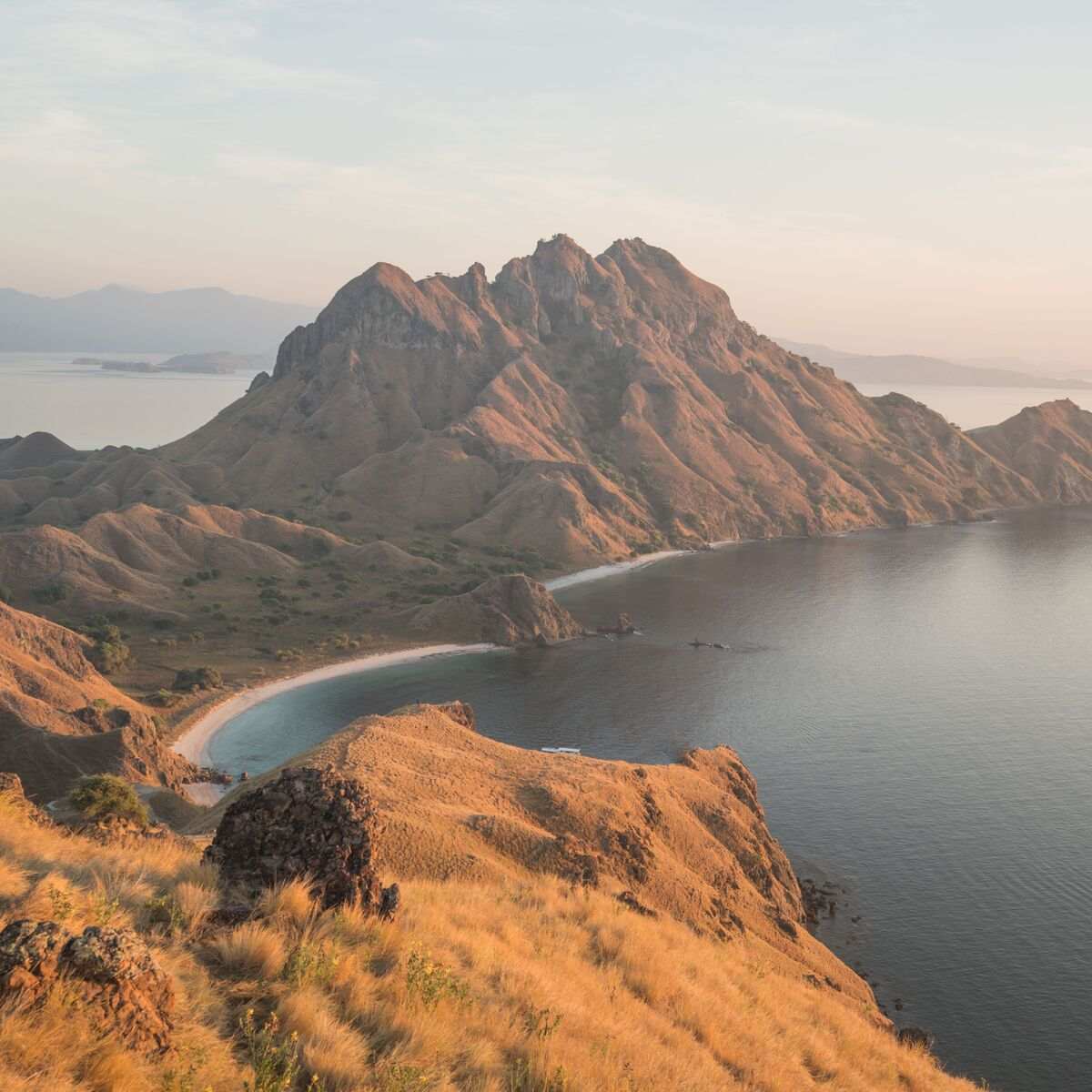

Komodo diving in November offers unique experiences due to the changing seasons, with increased manta ray encounters and varying conditions across dive sites. While the north may experience rough seas, central regions remain accessible, and the south showcases nutrient-rich waters. Weighing these factors helps determine if November diving aligns with your preferences.
November Diving Conditions in Komodo
November marks the onset of the wet season in Komodo National Park, a time characterized by increased rainfall and changing sea conditions. The transition from dry to wet season affects the seas, particularly in the northern zones, where rougher waters can be anticipated. Divers should prepare for less predictable seas, especially when planning trips to northern dive sites such as Castle Rock and Crystal Rock. Despite this, the central region—home to sites like Batu Bolong, Tatawa Besar, and Siaba—remains diveable nearly year-round.
Water temperatures in November vary across the park. While central and northern waters typically maintain a comfortable range of 27–29°C, divers venturing into southern zones like Manta Alley and Cannibal Rock will encounter drops to 22–25°C due to strong thermoclines and nutrient-rich upwellings. Divers are advised to wear a 5mm wetsuit when exploring these southern sites to ensure comfort during their dives. The cooler temperatures in the south contribute to a unique ecosystem, attracting a wider variety of marine life, which makes for fascinating dives.
The changing conditions in November also mean that divers may experience more dynamic weather patterns. It’s not uncommon for a sunny morning to give way to an afternoon shower, particularly in the northern sections. This variability adds an element of adventure, as divers must be adaptable and prepared for the changing environment. Engaging with local dive operators who have extensive knowledge of the seasonal shifts can greatly enhance the diving experience in November.
Visibility and Marine Life Encounters
Visibility in Komodo during November can fluctuate, influenced by the onset of the wet season. In the central and northern areas, divers can expect visibility often exceeding 20 meters, although it might decrease slightly with increasing rainfall. These conditions set the stage for remarkable marine life encounters, particularly in manta ray aggregation sites. Karang Makassar (Manta Point) and Mawan are prime locations for observing these grand creatures during this period.
November is a notable time for manta ray enthusiasts due to the peak density of reef mantas, particularly from December to March. The nutrient influx brought by the changing season creates rich feeding grounds, attracting these graceful animals in large numbers. Watching mantas glide through the water as they engage in cleaning and feeding is a memorable experience. Sites like Karang Makassar become busy with activity, as mantas gather to feast and interact, offering divers the chance to witness these grand creatures up close.
Beyond mantas, divers can expect to encounter marine life, including lively coral gardens teeming with colorful fish, sea turtles, and the occasional reef shark. The rich biodiversity of Komodo’s waters is part of what makes it a world-renowned diving destination. November’s conditions enhance these encounters by providing nutrient-rich waters that support a thriving ecosystem. Whether you’re an underwater photographer seeking the perfect shot or simply a nature enthusiast, November offers a rewarding experience.
Liveaboard Itineraries and Pricing
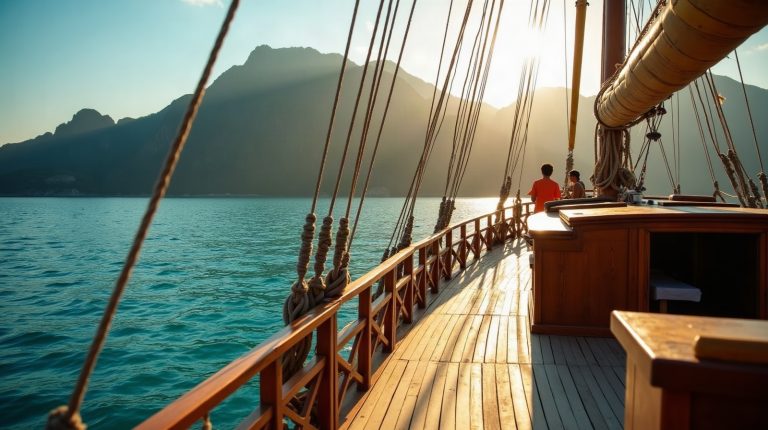
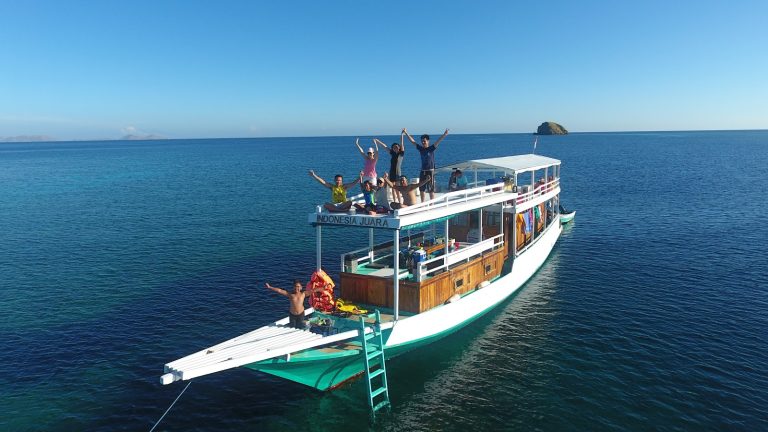
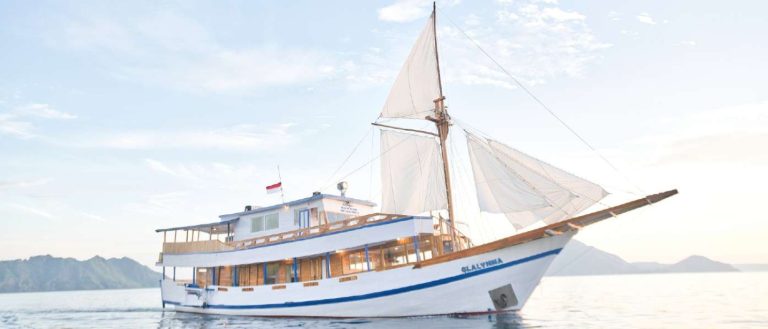
The liveaboard scene in Komodo offers a range of itineraries to suit various preferences and budgets. Standard liveaboard trip durations include 3D2N and 4D3N mini-cruises focusing on central Komodo and nearby attractions such as Padar, Pink Beach, and the famous Komodo dragons on Rinca. These shorter trips are perfect for divers with limited time, offering a taste of Komodo’s underwater marvels.
For those seeking a comprehensive exploration, 6D5N full-park trips include northern pinnacles and seasonal southern sites, while 7–8 day extended safaris allow for thorough dives across all three zones, including multiple manta-focused dives. Pricing in 2026–2027 ranges from USD 150–250 per night for budget wooden boats, USD 250–400 for mid-range phinisi, and USD 450–900+ per night for luxury phinisi and boutique yachts. A 4D3N mid-range trip typically costs around USD 750–1,200, whereas a 7–8 day luxury experience might range from USD 3,150 to 7,200 or more.
The diversity of liveaboard options ensures that every diver can find a package that suits their needs. Budget travelers might opt for the more rustic experiences that still offer unique dives in central Komodo. For those willing to splurge, luxury yachts provide a lavish experience with gourmet dining and spacious accommodations, enhancing the overall diving adventure. Regardless of the choice, each liveaboard promises a front-row seat to Komodo’s underwater wonders.
Is November the Right Time for You?
Diving in Komodo during November can be highly rewarding, particularly for those eager to encounter manta rays in their natural habitat. The increased presence of these creatures at sites like Karang Makassar and Mawan is a significant draw for divers. However, the decision to dive in November should consider personal preferences and tolerance for changing weather conditions.
Travelers seeking calm seas and maximum visibility might find better conditions during the dry season from May to October. Yet, for those willing to embrace a more dynamic underwater environment, November offers a unique opportunity to experience Komodo’s diverse marine life in a less crowded setting. It’s essential to weigh the pros and cons based on individual interests and diving goals.
Adventure-seekers and wildlife enthusiasts may find November particularly appealing, as the changing conditions present unique challenges and opportunities not found during the more predictable dry season. The chance to see Komodo’s underwater world in a different light can be a compelling reason to visit during this time of year. For those with a flexible mindset and a love of the unexpected, November can be the perfect time to the unknown.
Preparing for Your Komodo Dive Adventure
Preparation is key to maximizing enjoyment and safety when diving in Komodo during November. Divers should consider the potential for rougher seas in the north and prepare accordingly with appropriate dive gear, including a 5mm wetsuit for colder southern waters. Booking with reputable liveaboard operators who understand the seasonal changes and know how to navigate the conditions is crucial.
Additionally, divers should stay informed about weather forecasts and remain flexible with travel plans to accommodate any necessary itinerary adjustments. Embracing the unique conditions of November can lead to unexpected and memorable underwater experiences, especially for those keen to observe manta rays in peak season.
It’s also advisable to pack efficiently, ensuring you have all necessary equipment and comforts for a multi-day trip. Essentials like sunscreen, motion sickness medication, and a good underwater camera can enhance the experience. Being well-prepared adds to the safety and enjoyment, allowing divers to fully engage themselves in the wonders of Komodo.
The Unique Appeal of Komodo Diving in November
Komodo National Park’s location within the Coral Triangle affords it a reputation for biodiversity that draws divers from around the world. November’s conditions add an element of excitement and challenge, offering a different perspective on this renowned diving destination. The allure of intimate encounters with reef mantas, coupled with the park’s striking underwater topography, makes for a compelling adventure.
Divers who appreciate the dynamic interplay of environmental factors and marine life will find November in Komodo a uniquely captivating experience. Whether exploring the lively reefs of central Komodo or the nutrient-rich southern waters, each dive promises discovery and wonder, making it a worthwhile consideration for adventurous travelers.
The opportunity to witness nature’s cycles and adapt to the seasonal shifts can provide divers with a deeper understanding of Komodo’s ecosystem. November presents a chance to connect with the natural world in a profound way, offering rewards for those with a keen eye for exploration and a spirit of adventure. Each dive in November brings new insights and moments of awe, making it a month not to be overlooked by the intrepid explorer.
FAQs
Q? What are the sea conditions in Komodo during November? A: November marks the beginning of the wet season, with rougher seas expected in the northern regions. Central sites remain diveable, while southern areas offer nutrient-rich conditions with lower water temperatures.
Q? Is November a good time for manta ray sightings in Komodo? A: Yes, November is an excellent time for manta ray encounters, with peak densities occurring from December to March at sites like Karang Makassar and Mawan, known for their rich feeding and cleaning stations.
Q? What should I consider when booking a liveaboard in November? A: When booking a liveaboard in November, consider the potential for changing sea conditions and choose operators experienced in navigating these waters. Be prepared with suitable gear, such as a 5mm wetsuit for colder southern dives.
For wider arrangements, our partner labuanbajoluxury can coordinate end to end.
See also: Best Time to Do a Komodo Liveaboard in 2027: Month-by-Month Dive & Manta Calendar · Home.