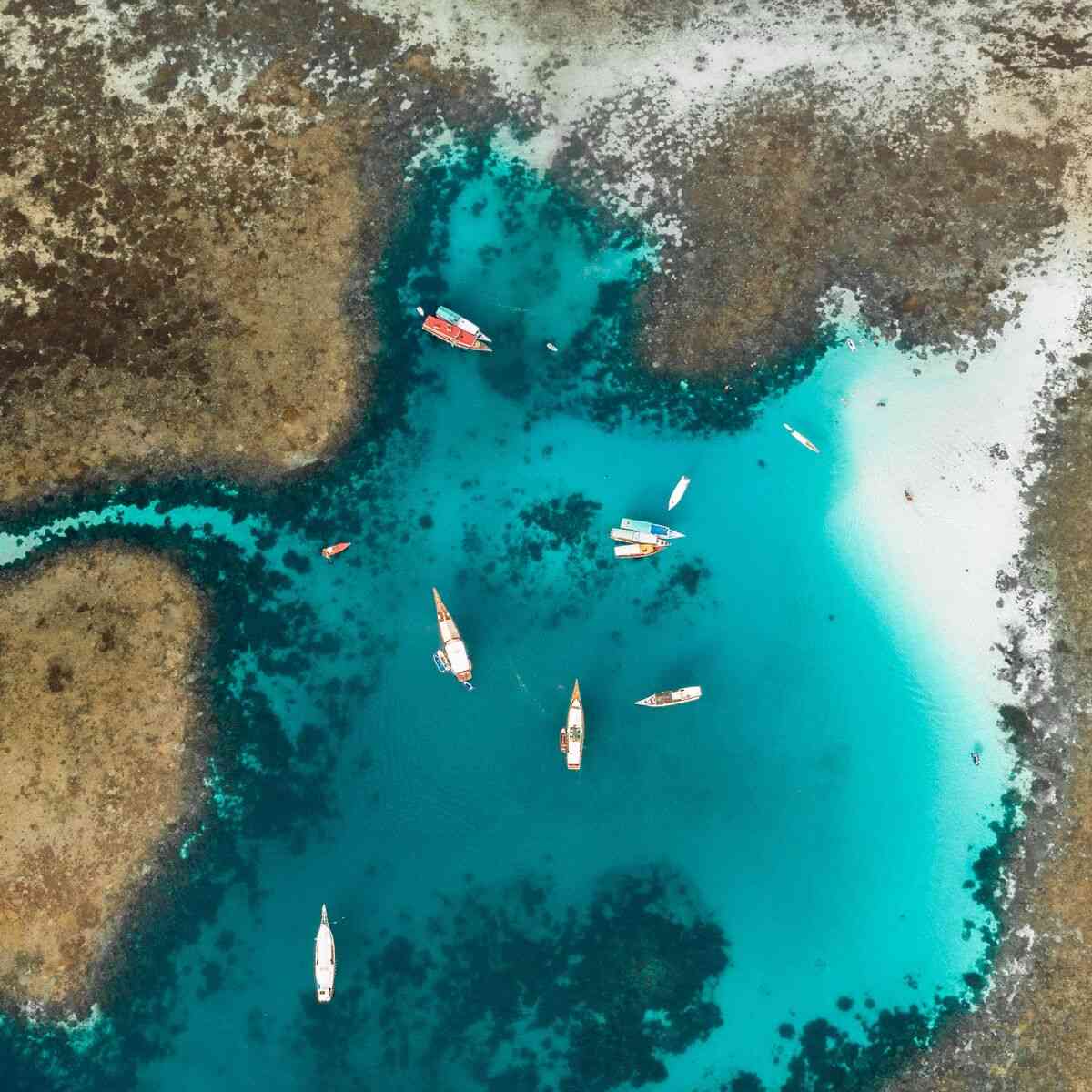

Komodo National Park, a vital part of the Coral Triangle, is known for its challenging yet rewarding diving conditions, primarily due to its strong currents. These currents, driven by tidal forces and geographic positioning, create a unique underwater experience that can be both thrilling and daunting. Understanding the strength and behavior of Komodo’s currents is essential for divers to safely enjoy the lively marine life it hosts.
Understanding Komodo’s Geographical Influence on Currents
Komodo National Park is strategically located between the islands of Sumbawa and Flores, Indonesia’s Lesser Sunda Islands. This prime positioning within the Coral Triangle exposes the waters to a continuous exchange of nutrient-rich currents that flow through the Lombok Strait. The strait functions as a natural conduit for the Indonesian Throughflow, a major ocean current that transports water from the Pacific Ocean to the Indian Ocean. These geographical factors significantly influence the strength and direction of currents within the park.
The currents in Komodo are primarily tidal, changing with the phases of the moon. Strong tidal exchanges, particularly during new and full moons, can magnify the current strength, creating conditions unsuitable for beginner divers. The rugged topography of the underwater landscape, filled with pinnacles and channels, further intensifies these currents, requiring divers to have advanced skills and certification for certain areas.
Exploring the Northern Diving Zones: Castle Rock, Crystal Rock, and The Cauldron
The northern region of Komodo National Park features some of the most challenging yet rewarding dive sites. Castle Rock and Crystal Rock are renowned for their fast-moving waters that attract large pelagic species such as sharks and tuna. These sites are suitable for advanced divers who can handle the powerful currents that sweep through the area, making every dive an exhilarating experience.
The Cauldron, also known as Shotgun, presents a unique diving adventure. Located between Gili Lawa Laut and Darat, it features a thrilling drift dive that shoots divers through a narrow channel. During the dry season from May to October, visibility can exceed 20 meters, offering a spectacular view of the lively marine biodiversity. However, divers should be prepared for rapidly changing conditions that require quick adaptability.
Diving Central Komodo: Batu Bolong, Tatawa Besar, and Siaba
Central Komodo offers dive sites that are more forgiving, suitable for a broader range of divers. Batu Bolong, a pinnacle dive site, is famous for its incredible biodiversity. The currents here are predictable, creating a safe haven for diverse marine life including Napoleon wrasses and barracudas. Divers can enjoy drifting along the walls covered in colorful corals and sponges.
Tatawa Besar and Siaba also offer excellent diving opportunities. Tatawa Besar is known for its gentle drift dives, making it perfect for less experienced divers. The site is a lively coral garden teeming with life, where turtles are often spotted gliding amidst the reef. Siaba, often referred to as Turtle City, is a diver’s favorite due to its calm waters and abundance of marine life. These sites remain diveable for most of the year, with consistently warm water temperatures between 27-29°C.
Challenges of the Southern Dive Sites: Manta Alley and Cannibal Rock
The southern part of Komodo National Park presents a stark contrast with its colder waters and stronger currents. Manta Alley is a must-visit site for manta ray enthusiasts. The nutrient-rich upwellings, primarily during the wet season from November to April, attract a high density of reef mantas (Mobula alfredi), particularly between December and March. Visibility might be lower due to plankton blooms, but the chance to witness these grand creatures in large numbers is exceptional.
Cannibal Rock, located near Rinca, is another challenging site due to its strong thermoclines and currents. This area is known for its macro diving, with a plethora of nudibranchs and other small marine species. The colder water temperatures, ranging from 22-25°C, necessitate the use of a 5mm wetsuit. Divers venturing into these southern waters must be prepared for rapidly shifting conditions and bring advanced diving skills to the table.
Liveaboard Diving Seasons and What to Expect
The liveaboard diving season in Komodo is generally divided into two distinct periods. The dry season, from May to October, is favored for its calm seas and excellent visibility, especially in the northern zones. This period is ideal for exploring the pinnacles of Castle Rock and Crystal Rock. Conversely, the wet season from November to April sees rougher seas in the north but offers peak manta ray sightings at sites like Karang Makassar and Mawan in the central and southern regions.
Regardless of the season, Central Komodo remains a reliable dive destination, offering consistent conditions year-round. Liveaboard trips typically range from 3D2N mini-cruises focusing on central sites to 7-8 day extended safaris that cover all three zones. Prices range from USD 150 per night for budget boats to over USD 900 for luxury yachts, allowing divers to choose a trip that fits their preferences and budget.
Planning Your Liveaboard Adventure in Komodo
When planning a liveaboard adventure in Komodo, it’s crucial to consider the duration and itinerary that best suits your diving skills and interests. A 4D3N mid-range trip costs approximately USD 750–1,200, providing a comprehensive experience of central Komodo and the chance to witness the famed Komodo dragons on Rinca. For those seeking a more extensive experience, a 7–8 day luxury liveaboard may cost between USD 3,150–7,200, offering the opportunity to dive in all three zones and enjoy multiple manta ray encounters.
Booking a liveaboard in advance is recommended, especially during peak seasons, to secure your spot on one of the available boats. Divers should ensure they meet the skill requirements for the chosen sites, particularly in areas with stronger currents. With proper planning and preparation, a Komodo liveaboard trip promises a thrilling diving experience among some of the most dynamic underwater environments in the world.
FAQs
Q? What level of diver certification is required for diving in Komodo? A: Due to the strong and sometimes unpredictable currents in Komodo, it is highly recommended that divers have an advanced open water certification and significant experience in drift diving. Some sites, particularly in the north and south, may require divers to have expert-level skills.
Q? When is the best time to see manta rays in Komodo? A: The best time to see manta rays in Komodo is during the wet season from November to April, with peak sightings occurring between December and March. During this time, the nutrient-rich waters attract large numbers of manta rays, particularly at sites like Karang Makassar and Manta Alley.
Q? How does the cost of a liveaboard trip in Komodo vary? A: The cost of a liveaboard trip in Komodo varies based on the level of luxury and duration of the trip. Budget options start at approximately USD 150 per night, mid-range options range from USD 250–400 per night, and luxury trips can cost upwards of USD 900 per night. The total cost will depend on the length of the itinerary and the amenities provided on board.
For wider arrangements, our partner labuanbajoluxury can coordinate end to end.
See also: Komodo Diving in November 2027: Conditions, Visibility & Whether It’s Worth It, Dry Season vs Rainy Season for Komodo Liveaboards: 2027 Trade-Offs Explained · Home.