
Choosing between Komodo’s dry and rainy seasons for your liveaboard adventure in 2027 involves understanding the unique conditions each season offers. While the dry season from May to October provides calm seas and excellent visibility, the rainy season from November to April offers peak manta ray density at certain sites, despite rougher seas. Understanding these trade-offs helps in planning the perfect dive trip.
Understanding Seasonal Changes in Komodo National Park
Komodo National Park, situated in the Coral Triangle off Labuan Bajo, Flores, is a bucket-list destination for diving enthusiasts. The park’s marine biodiversity is exceptional, attracting divers worldwide. The dry season, spanning May to October, is known for its calm seas and clear visibility, particularly in the northern zones such as Castle Rock and Crystal Rock. This season is ideal for diving the pinnacles with over 20 meters of visibility, allowing divers to fully appreciate the park’s lively marine life.
Conversely, the rainy season from November to April brings challenging conditions to the north with rougher seas, which can affect navigation and access. However, this season also sees increased manta ray activity, particularly at Karang Makassar and Mawan. This time of year is a compelling choice for divers interested in witnessing these grand creatures in action, as the mantas come to feed and be cleaned by smaller fish. The high density of mantas during this period is unmatched, making it an ideal time for manta ray enthusiasts and underwater photographers.
Diving Conditions by Zone: North, Central, and South Komodo
The three main diving zones in Komodo — North, Central, and South — each offer unique experiences and challenges. In the North, iconic sites like Castle Rock, Crystal Rock, and Shotgun are best visited during the dry season when the seas are calmer and visibility is at its peak. These sites are rich in marine life and offer thrilling drift dives, where divers can encounter trevally, sharks, and sometimes dolphins. The underwater pinnacles in these areas are famed for the swirling schools of fish and the dynamic oceanic conditions that create an exhilarating dive environment.
Central Komodo, including Batu Bolong, Siaba, and Tatawa, presents more stable diving conditions throughout the year. The coral gardens here teem with life, regardless of the season, offering encounters with turtles, reef sharks, and colorful reef fish. Meanwhile, South Komodo, with sites like Manta Alley and Cannibal Rock, is marked by cooler temperatures ranging from 22–25°C. This area is especially attractive during the rainy season for manta ray enthusiasts. Nutrient-rich upwellings here support a diverse marine ecosystem, drawing in mantas and other pelagic species, making it a favorite for those looking to experience Komodo’s richer, colder waters.
Liveaboard Itineraries: Duration and Pricing Insights
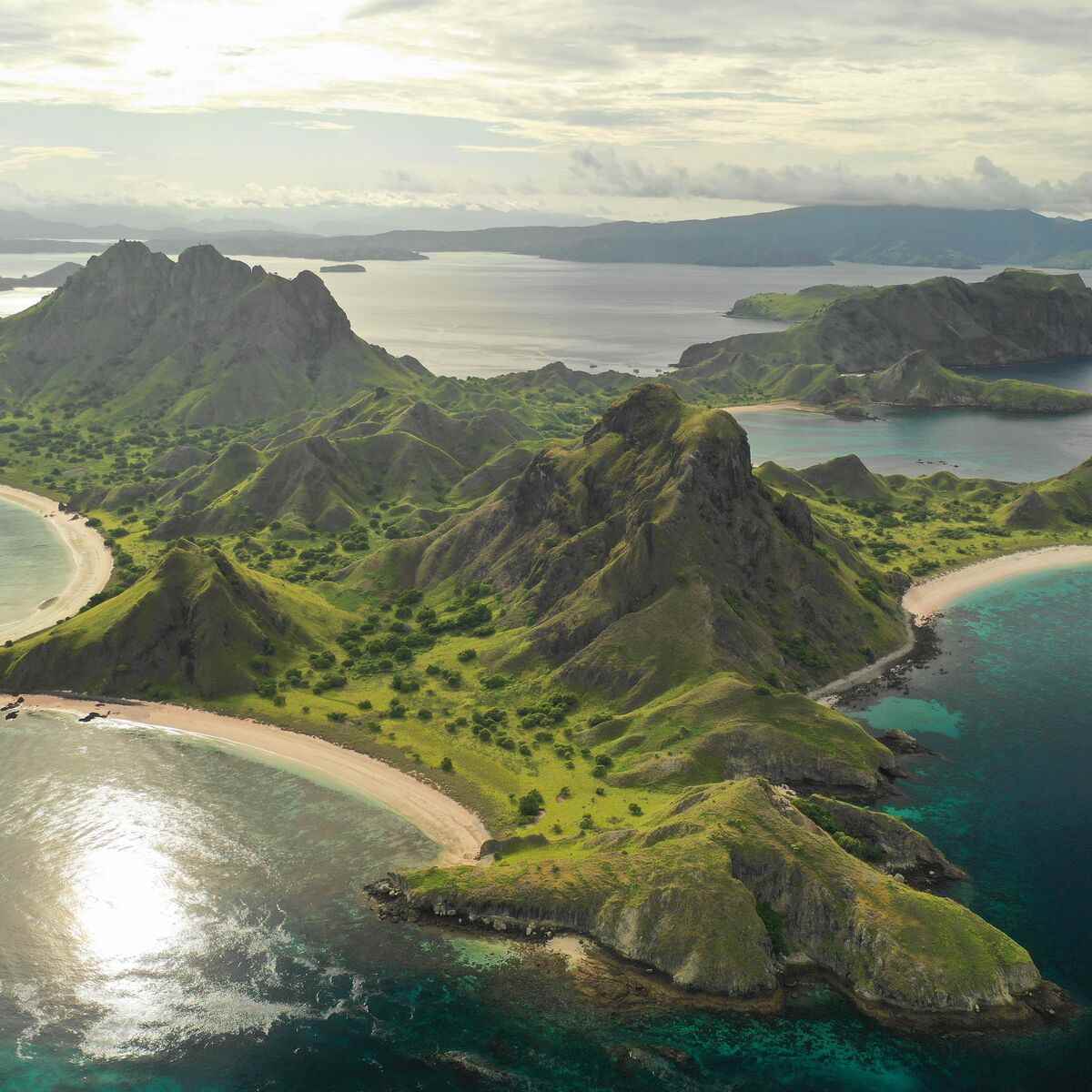
Liveaboard itineraries from Labuan Bajo vary to accommodate different interests and time constraints. Standard options in 2026–2027 include 3D2N and 4D3N mini-cruises, focusing on Central Komodo and iconic land excursions such as Padar, Pink Beach, and the Rinca dragons. These shorter trips are ideal for those with limited time but still wanting to experience the highlights of Komodo National Park.
For a comprehensive experience, consider a 6D5N trip that includes diving in the North and, seasonally, the South. These trips allow divers to experience the diverse marine life across different zones, with opportunities to hike and explore the striking landscapes of the islands. Extended safaris lasting 7 to 8 days offer the full Komodo experience, allowing for multiple dives in all three regions and additional days with manta rays. Pricing varies significantly based on the level of luxury: budget liveaboards start from USD 150 per night, mid-range options range from USD 250 to 400 per night, and luxury vessels can exceed USD 900 per night. A 4D3N mid-range trip typically costs around USD 750–1,200, while a 7–8 day luxury trip may range from USD 3,150–7,200+, offering exceptional comfort and service.
Seasonal Marine Life Highlights
Komodo’s underwater realms are renowned for their biodiversity. During the dry season, divers can expect to see lively coral reefs and a plethora of fish species. This period is particularly favorable for exploring the northern dive sites due to the excellent water clarity and calm conditions. Schools of barracuda, trevally, and reef sharks are common sightings, with the vivid coral gardens providing a kaleidoscope of colors.
The rainy season, while characterized by challenging sea conditions, provides divers a unique opportunity to observe manta rays in great numbers at Karang Makassar and Mawan. These reef mantas are often found feeding and cleaning during this time, providing a captivating spectacle for underwater photographers and marine life enthusiasts. The nutrient-rich waters of the southern sites also attract other pelagic visitors, making these sites a notable trove for divers looking for a unique and enriching experience.
Essential Gear for Komodo Diving Conditions
When planning your Komodo diving adventure, it is essential to consider the gear required for different zones. In Central and Northern Komodo, water temperatures hover around 27–29°C, making a 3mm wetsuit adequate for most divers. However, in the South, temperatures drop to 22–25°C due to nutrient-rich upwellings, and a 5mm wetsuit is advisable to ensure comfort during extended dives. The protective suit not only insulates against the cooler temperatures but also guards against potential stings from jellyfish and other marine life.
A dive computer is also a valuable tool, as it helps manage the depth and time during dives, especially in Komodo’s drift-rich sites. Don’t forget a surface marker buoy, as currents can be strong, making it a crucial piece of safety equipment. Divers should also consider bringing underwater cameras to capture the striking biodiversity and moments with curious marine life.
Planning Your 2027 Komodo Liveaboard Trip
Choosing the right season for your Komodo liveaboard trip in 2027 largely depends on your priorities. If calm seas and excellent visibility are at the top of your list, then May to October is ideal. This time offers the best conditions for diving the northern pinnacles and enjoying the park’s scenic beauty above water. For those seeking an encounter with manta rays in their natural habitat, the rainy season from November to April offers peak opportunities. The thrill of diving with these grand creatures in the nutrient-rich waters of the south is an experience like no other.
Booking early is advisable to secure your preferred liveaboard and itinerary, as Komodo is a popular destination. Be sure to account for travel logistics, including flights to Labuan Bajo, and allow extra time for exploring Flores Island before or after your diving adventure. Many travelers take this opportunity to visit local villages, experience traditional Flores culture, and trek to see the famous Komodo dragons up close.
FAQs
Q? What is the best time to see manta rays in Komodo? A: The best time to see manta rays in Komodo is during the rainy season, from December to March, when their density peaks at sites like Karang Makassar and Mawan.
Q? Are liveaboard trips to South Komodo available year-round? A: Liveaboard trips to South Komodo are typically available during the dry season when sea conditions are safer for travel. However, some operators may offer trips during the rainy season for experienced divers who are comfortable with challenging conditions.
Q? How can I book a Komodo liveaboard trip? A: You can book a Komodo liveaboard trip through various online platforms specializing in dive trips, or directly through liveaboard operators. It is advisable to book well in advance to secure your preferred itinerary and vessel.
For wider arrangements, our partner labuanbajoluxury can coordinate end to end.
See also: Best Time to Do a Komodo Liveaboard in 2027: Month-by-Month Dive & Manta Calendar, Komodo Diving in November 2027: Conditions, Visibility & Whether It’s Worth It · Home.